Drug Rehab Center in Sacramento, CA

grass border

Accredited By

Accredited by California Department of Health Care Services (DHCS)

Our drug rehab center in Sacramento, CA, helps adults stop drug use with structured care and medical oversight. At Sacramento Wellness, we offer a private residential space, therapy sessions, and wellness activities during your stay. Our staff monitors symptoms, supports the development of recovery skills, and plans the next step in care before discharge. Call to check insurance, intake steps, and admission timing for you.

Private and Confidential Drug Rehab for Adults in Sacramento

Most people avoid seeking help for drug addiction due to privacy concerns. At our drug rehab center in Sacramento, CA, we follow HIPAA rules that protect medical records and treatment notes.

We share details only with people you approve of in writing. You can limit what gets shared and when. You can also change consent at any point during care.

Confidentiality also applies to substance use treatment records under 42 CFR Part 2. Our intake staff explains release forms, contact rules, and insurance verification steps. You can ask us what information goes to an insurer, an employer, or a family member.

Private and Confidential Drug Rehab for Adults

Holistic and Evidence-Based Care During Your Stay

green squiggle

Holistic care covers the whole day of recovery. It supports sleep hygiene, nutrition, movement, and stress response. Evidence-based care uses clinical methods supported by research, such as CBT, DBT, and motivational interviewing. Together, they shape a treatment plan that fits your needs.

You spend time in counseling that targets drug use patterns. You work on cravings, impulse control, and problem-solving. Sessions also cover relapse prevention skills, so you practice what to do when urges rise.

Wellness activities support focus and mood. Options may include yoga, mindfulness, and guided recreation. Such care increases brain function and restricts unnecessary thoughts. We also help build habits you can keep after discharge.

Which Level of Care Fits Your Situation

green squiggle

Drug use disorder ranges in severity. Clinical systems describe it at levels such as mild, moderate, and severe. Level of care depends on withdrawal symptoms, overdose risk, cravings, and home access to drugs. During medical assessments, we review recent use, current meds, and health problems.

Residential treatment suits high-risk use or repeated relapse. Detox with medication support suits benzodiazepine or heavy opioid withdrawal risk. PHP can be a better option for stable symptoms with daily treatment.  Choose IOP when symptoms stay stable, and you can continue working or performing daily duties.

Levels of Care at Our Sacramento Drug Rehab Center

Care level depends on what your body and mind need right now. Some people need full-day support in a live-in program. Others do better with scheduled outpatient sessions while staying at home. Placement considers recent use, withdrawal symptoms, cravings, mental health symptoms, and safety concerns. The aim is to choose the level that matches risk and support needs.

Intensive Outpatient Program (IOP)

IOP offers scheduled treatment hours on set days each week while you keep living at home. You attend group sessions and counseling sessions that focus on cravings, relapse prevention skills, and daily choices. It works well when you need more support than weekly therapy, but do not need 24/7 care.

Partial Hospitalization Program (PHP)

PHP gives more treatment time than IOP. You attend most weekdays and go back home at night. PHP can come after detox or residential treatment.

It also applies when symptoms calm down, but the risk remains high. The extra hours help with cravings, stress management, and relapse prevention.

Residential Treatment

Residential treatment is a live-in program to control several drug withdrawal risks. You stay at a rehab center with a structured daily routine. Each day includes counseling, group work, and recovery education. Our staff helps you follow rules and routines. Staying away from trigger points and a dysfunctional family can help reduce stress and cravings.

MAT Detox

MAT detox supports withdrawal care with medication when a provider approves it. It can help with opioid withdrawal and alcohol withdrawal symptoms. The team monitors vitals, tracks symptoms, and adjusts medication plans as needed, then prepares you for the next level of care.

tree with a winding road icon

Testimonials

Recovery Stories from Our Clients

Who do we help with drug rehab?

At our drug rehab center in Sacramento, CA, we help adults who want to stop drug use and regain control. Daily use can lead to stronger cravings and higher tolerance. Weekend use can still be risky even as doses increase. Misused prescription pills can create dependence over time. Street drugs can raise overdose risk due to unknown strength. Co-occurring anxiety or depression can also fuel use and relapse.

  • Adults who want a private residential program
  • People with withdrawal symptoms who need medical oversight
  • Anyone with a relapse after outpatient care
  • Clients using more than one substance
  • Those with mental health symptoms need combined care.
  • People who need PHP or IOP after a higher level of care

Drug Use Disorders We Treat at Our Sacramento Drug Rehab Center

Drug use disorder can affect health, safety, and daily functioning. Each type of drug has different withdrawal symptoms that may require medical attention. The pattern and dose of the drug also impact the treatment pattern and therapies we use. Our team also reviews symptoms and risk factors, then plans care that fits your current needs.

Opioids

Opioid use disorder can involve heroin, fentanyl, or prescription painkillers. Many people report body aches, upset stomach, sweating, and sleep problems after stopping. Cravings can rise and lead to risky use. Treatment focuses on safety, symptom support, and relapse prevention skills.

Stimulant use can include methamphetamine, cocaine, crack, or misuse of ADHD meds. When use stops, you may feel fatigue, depression, or agitation. Our treatment focuses on routine, nutrition, and coping skills for cravings.

Benzodiazepines include alprazolam, diazepam, lorazepam, and clonazepam. Sudden stoppage can raise seizure risk and severe rebound anxiety. Tremors, sweating, and insomnia can also increase. Our doctor reviews the dose history and current symptoms, then plans safer care and coping skills.

Cannabis use disorder can involve daily smoking, vaping, edibles, or high THC concentrates. When use stops, irritability and restlessness can rise. Appetite can drop, and your sleep might get disrupted. Our therapy focuses on habits, stress control, and social patterns linked to use.

Synthetic or designer drugs can include Spice, K2, bath salts, and other new psychoactive substances. Effects can change from dose to dose. Confusion, rapid heart rate, hallucinations, and agitation can occur. Treatment centers on safety, symptom tracking, and therapy that targets risk-taking.

Polysubstance use involves more than one drug, sometimes on the same day. Mixed use can change withdrawal patterns and raise overdose risk. It also makes cravings harder to predict. Our medical team reviews each substance, tracks symptoms across time, and builds a plan that addresses the full mix.

Addiction Rehab Facility Tour

interior of a house with a white couch and gold decor
drone shot of a large mansion with a pool, yard, and golf area surrounded by green trees
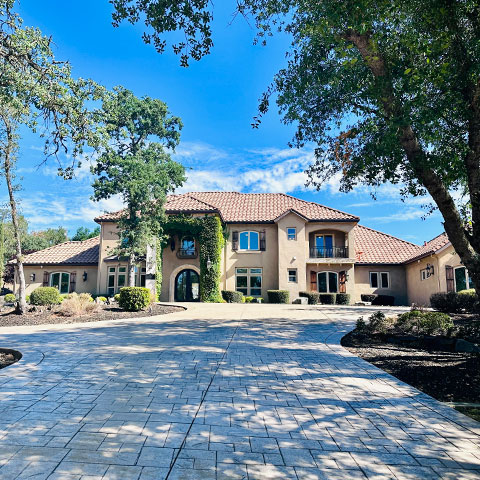
a beautiful mansion with a large shady driveway
a well groomed green yard with a pool and string patio lights

Dual Diagnosis Support During Drug Rehab

Dual diagnosis care supports drug recovery and mental health at the same time. Drug use can hide anxiety, depression, PTSD symptoms, ADHD, bipolar symptoms, or psychosis. Mood swings, panic, sleep loss, or racing thoughts can raise cravings. Dual focus care can cut relapse risk and improve focus in daily routines.

Care starts with a mental health screen and a medication review. Our doctor reviews current prescriptions, side effects, and dosing schedules. Therapy sessions target coping skills for panic, low mood, trauma reactions, and anger. Our staff tracks sleep, appetite, focus, and behavior changes during the week. Discharge planning lists follow-up psychiatry, therapy appointments, and refill dates.

24/7 Medical Support From SAMHSA Certified Staffs

SAMHSA-aligned training and 24/7 medical support work together at our drug rehab center. Our staff uses evidence-based steps for screening, risk checks, and symptom response. That matters in early recovery when cravings, sleep loss, anxiety, or blood pressure swings can rise. 24/7 coverage keeps help nearby at night, during breaks, and between sessions.

Our medical staff can check vitals, watch hydration, review medication effects, and document changes. We can also flag mental health concerns and connect you to a provider for evaluation. It also supports response to nausea, tremors, chest tightness, or overdose warning signs. Consistent coverage reduces gaps in care and supports safer progress from intake through discharge planning.

How Treatment Starts at Sacramento Wellness

green squiggle

At Sacramento Wellness, we begin intake with a call or web request and a brief risk screen. Our drug rehab center, our medical team asks about last use, withdrawal symptoms, and your medication list. Our staff describes insurance verification and sets an arrival window. After admission paperwork, the medical intake begins, and the next care level is assigned.

Medical assessment

We review health history, recent use, and current symptoms. You can share any prescriptions and allergy information, if any. Our medical team checks vital signs and looks for withdrawal red flags. The team also notes sleep, appetite, pain, and mood, so care matches what you need.

Placement in the right level of care

Our team matches services to risk level and support at home. High withdrawal risk can point to detox support. Higher relapse risk can point to residential care. Stable symptoms can point to PHP or IOP. Placement can change if symptoms change.

Build your treatment plan

We set goals with the medical team. Goals can focus on cravings, triggers, stress control, and daily decisions. Sessions and groups align with those goals. We track progress and update targets as you move through care.

24/7 Monitoring

Our medical staff remains on site 24/7. We check symptoms, hydration, and medication response. We document each change and report concerns to a doctor. Our support at night helps with sleep disruption and anxiety spikes.

Step-down planning before discharge

Our Step-down planning begins early in treatment. We review relapse risk, home support, and transport needs. Our team lists the next level of care, session days, and provider follow-ups. It can also include medication refills, pharmacy details, and peer meeting options.

Therapies We Use in Treatment

At Sacramento Wellness, our therapy supports recovery by targeting the thoughts and habits linked to drug use. Each session covers cravings, stress reactions, and decision-making. You practice coping skills during counseling and group time. Each method addresses a different need, so the plan can be tailored to your symptoms, risk level, and goals.

Therapies We Use in Treatment
Individual Counseling / Individual Therapy

In individual therapy, you get private time with a counselor to talk through what led to drug use. You review recent use, triggers, and risky moments. Together, you set goals for the week, such as managing cravings after work or avoiding old contacts.

The session also covers sleep problems, anger spikes, and relationship conflicts that can push you into relapse. You leave with steps to practice before the next visit.

Group sessions bring peer feedback and shared problem-solving. Topics can include relapse warning signs, boundaries, and coping plans. Our therapists keep the conversation on track. You practice talking skills and also hear what worked for others and what failed.

CBT connects thoughts, feelings, and behavior. You learn how a thought can push a choice and work on replacing harmful thoughts with realistic ones. Our goal is to reduce impulsive decisions during stress. CBT also helps build a plan for high-risk moments.

DBT is a therapy that teaches skills to manage strong emotions without using drugs. You learn what to do in the moment when stress hits. Distress tolerance skills help you avoid urges without using drugs.

Emotion regulation work targets mood swings across the day. Mindfulness practice helps you notice thoughts and cravings early. You also rehearse pause steps for conflict, panic, and impulse-driven choices.

MI uses open questions and reflection. You talk through reasons for change in your own words. Our counselor helps you weigh the costs and benefits of drug use. You also name barriers that pull you back and leave with a short action plan you helped build.

How Long Does Drug Rehab Take

How Long Does Drug Rehab Take?

Drug rehab length varies for each adult. Residential care can run about 30 days. Based on progress, a program may extend to 60, 90, or even 120 days. Our team reviews symptoms, safety risks, and goals throughout the process, then decides on the length.

After the inpatient phase, outpatient care can continue to support. Options include PHP or IOP based on schedule and needs. Sacramento Wellness explains timing during intake and updates it as care changes, so you know the next step.

Our Team

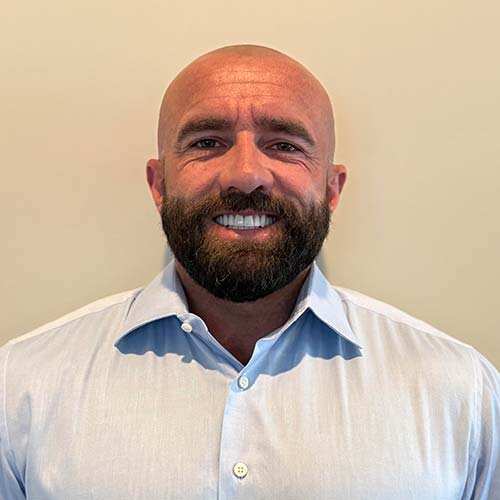
  • Charles Van Leuven
    Charles Van Leuven
    Executive Director
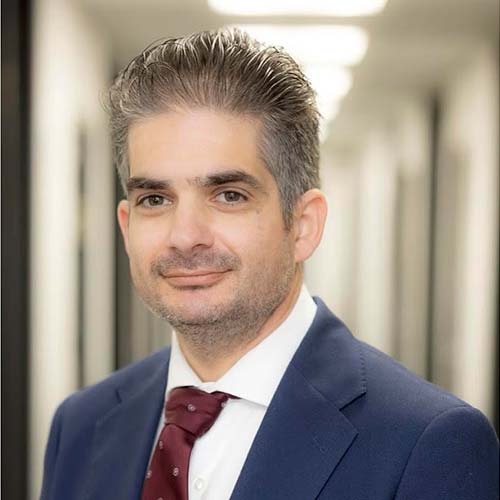
  • Chris Sharghi
    Chris Sharghi
    Program Director
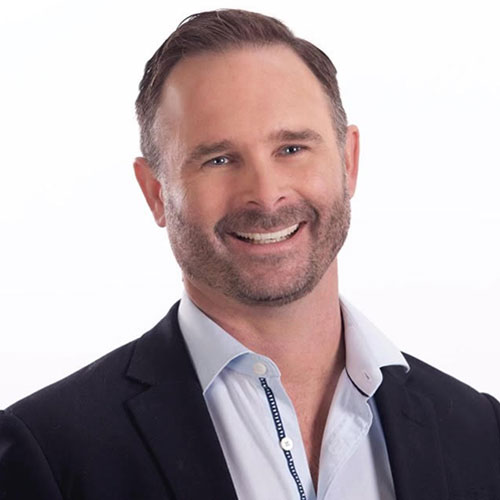
  • Dr. Christian Small
    Dr. Christian Small
    Medical Director

Why Choose Sacramento Wellness for Drug Rehab

green squiggle

People choose us when they want licensed care in a private space near Sacramento. We hold DHCS certification, and our team follows SAMHSA-aligned practices.  On-site living supports focus, rest, and daily routine. You also get meals, wellness activities, and research-backed therapy methods.

  • DHCS licensed and certified substance use treatment program
  • MAT detox program
  • Staff trained on SAMHSA-based standards for addiction care.
  • HIPAA privacy practices and 42 CFR Part 2 protections
  • Private residential campus in El Dorado Hills near Sacramento
  • Chef prepared meals and comfortable accommodations.
  • Wellness options listed, including yoga and mindfulness
  • Evidence-based therapy methods listed, including CBT, DBT, and MI

We Accept Most Insurances

Your recovery should never wait because of coverage questions. Call us to verify your benefits today.

Areas We Serve Near Sacramento

green squiggle

We serve adults from Sacramento and nearby communities. Many clients come from El Dorado Hills, Folsom, Rancho Cordova, Citrus Heights, Carmichael, Fair Oaks, Orangevale, Roseville, Rocklin, Elk Grove, West Sacramento, Davis, Woodland, Placerville, Cameron Park, Shingle Springs, and Auburn.

  • Sacramento
  • El Dorado Hills
  • Folsom
  • Rancho Cordova
  • Elk Grove
  • Citrus Heights
  • Roseville
  • Rocklin
  • Granite Bay
  • Fair Oaks
  • Carmichael
  • Antelope
  • West Sacramento
  • Davis
  • Woodland

Frequently Asked Questions

Can drug rehab help if I still think I can stop later?

Yes. Early help can prevent bigger health and legal problems. An intake call can clarify risk and options without pressure.

That happens. Share what you know, like how you took it, and when you last used it. Staff can ask focused questions to assess risk.

It depends on the level of care and your schedule. Ask about program hours and communication rules. You can also ask about the paperwork support available for time off.

Tell intake right away. Timing and documentation may be needed. Staff can explain what proof of treatment can be provided.

Ask intake about tour options and visitor rules. Availability depends on privacy and safety policies. If a tour is not possible, request photos or a detailed walkthrough of the daily routine.

Call intake and explain what happened. Staff can review safety risks and availability. If readmission is not the right fit, ask for referrals to other local options.

tree with a winding road icon

Related Blogs

For many people, the first 72 hours of detox can be severe. The body adjusts as drug levels...

In Sacramento County, about 300,000 people live with a mental health condition, according to local health data. Many...

Detox is the first gate you pass through on the road to recovery. It looks simple from the...

Contact Us Today

Ready to take the first step? Fill out the form below or call us anytime.

This field is for validation purposes and should be left unchanged.
Name*
Charles Van Leuven
Executive Director

Charles Van Leuven is a mission-driven behavioral health entrepreneur and operator with over 12 years of frontline and executive leadership in addiction recovery, mental health, transport logistics, and residential treatment. He is the Co-Founder of Valor Behavioral Health, a 56-bed treatment center dedicated to comprehensive, client-centered care, and the Founder & CEO of National Treatment Transport, one of the nation’s most trusted adolescent transport services, known for safety, professionalism, and discretion.

Charles began his career in the Bay Area, providing direct care services to individuals and families navigating addiction. He went on to found Independence Recovery Coaching, delivering custom detox coordination, sober companionship, and intervention services. As a Founding Board Member of AMATS (Association of Mediation and Transport Services), he continues to lead industry-wide efforts to elevate safety, ethics, and training in adolescent transport.

He holds a Healthcare Management certificate from Cornell University and is a Nationally Certified Recovery Coach II. Across all of his ventures, Charles has supported thousands of families in navigating recovery, placement, and life-saving transitions with care, clarity, and integrity.


Chris Sharghi
Program Director

As the Program Director at Sacramento Wellness, Chris brings not only professional expertise, but also a deeply personal understanding of the journey to recovery. Being a certified alcohol and drug counselor, Chris has experience across all levels of care in the addiction treatment field. His path to recovery has instilled in him a profound empathy and a unique insight into the challenges and triumphs our clients face. Chris is deeply passionate about guiding others on their journey to wellness, driven by the belief that every individual deserves the opportunity to lead a fulfilling, substance free life. His commitment is to provide compassionate, evidence-based care and to empower each client with the tools and support needed for lasting recovery.

Dr. Christian Small
Medical Director

Dr. Small received his medical degree at the University of Hawaii. He completed his medical residency in Psychiatry and Family Medicine at UCSD. He is board certified in Psychiatry, Addiction Medicine, and Family Medicine. Dr. Small is passionate about bringing quality care to patients suffering with addiction.

Education:
University of Hawaii Burns school of medicine, FS3192995 ISSUE DATE 1/29/24