













Rehab Center in Sacramento, CA

grass border

Accredited By

Accredited by California Department of Health Care Services (DHCS)

We offer detox and inpatient care for an alcohol and drug addiction rehab center in Sacramento, CA. You stay in a private, calm space with 24/7 support from our staff. Our team provides therapy, MAT support, and dual diagnosis care. At Sacramento Wellness, we plan step-down care and ongoing aftercare before discharge.

green squiggle

DHCS Licensed Rehab Center in Sacramento

We operate as a DHCS-licensed rehab center in Sacramento. DHCS rules require staff coverage, safety checks, client rights, and health records. The license also requires routine oversight, site reviews, rules for privacy, medication storage, and emergency response.

Our team follows DHCS requirements for screening, care planning, medication safety, and incident reporting, with notes placed in your chart each day. We train staff on de-escalation, infection control, and safe documentation. So care follows the same process in every shift.

Rehab Center Near Me

Looking for a private rehab center with medical support near Sacramento? We are here to help with multi-substance use and provide MAT support.

You can reach us at:
Address: 2011 Kaila Way, El Dorado Hills, CA 95762.

Phone: (916) 504-9524

Contact our admission team for the assessment and treatment process.  Our staff shares the next steps and scheduling details during the call.
tree with a winding road icon

Testimonials

Recovery Stories from Our Clients

Who Does Our Drug and Alcohol Rehab Program Help?

Some people need more support than home care can give. At Sacramento Wellness, we help adults with alcohol or drug use concerns. Our drug and alcohol rehab program can help after repeated attempts to quit. It can also help when withdrawal risk rises. Many people arrive with sleep problems, poor focus, or missed work. Our care supports stability and safer choices.

Who Does Our Drug and Alcohol Rehab Program Help?

Who our program helps:

  • Adults whose drinking leads to missed work or family duties
  • People who use drugs daily and cannot stop on their own
  • Anyone with past withdrawal sickness, shakes, or seizure risk
  • People who tried outpatient care and returned to it again
  • Adults using more than one substance in the same week
  • People with anxiety, depression, or trauma symptoms are linked to use
  • Those with little support at home
  • Adults who need planning for care after discharge

Substance Use Disorders We Treat at Sacramento Wellness

green squiggle

Alcohol and drugs can change sleep, mood, and decision-making. Use can also harm health, work, and family life. At Sacramento Wellness treats a range of substance use disorders with structured care and medical support. Each plan starts with a review of use history, health needs, and safety risks. Based on these assessments, our medical care team creates a treatment plan.

Alcohol Addiction

Alcohol addiction can start with regular drinking that turns into loss of control. You may need more drinks to get the same effect. It can cause blackouts and lead to memory loss. Stopping alcohol can lead to shaking, sweating, nausea, and a racing heart. Our rehab center supports safe withdrawal care, craving reduction, and relapse prevention skills.

Opioid Use Disorder

Opioid use disorder can start after an injury or surgery. Use can increase from painkillers to stronger opioids. Stopping can cause sweating, stomach upset, and intense urges. Overdose risk can rise with an unknown opioid. Our care team focuses on medical safety, urge control, and recovery skills.

Prescription Drug Misuse

Prescription drug misuse includes extra doses, early refills, or mixing pills with alcohol. Some people take pills from friends or buy them online. Sudden stopping can bring serious health risks for some drugs. We review your medication list and plan changes that protect your health during withdrawal.

Cocaine Addiction

Cocaine use disorder can cause a short stimulant effect followed by a crash phase. People may use it in repeated doses to chase euphoria, which can raise heart rate and blood pressure. After use, dysphoria, irritability, and anxiety can increase. Sleep disruption and poor appetite can also impact overall health. Our treatment focuses on craving management, trigger control, and relapse prevention planning.

Benzodiazepine Misuse

Benzodiazepine misuse can begin with anxiety pills or sleep pills. Tolerance can build, so a person needs more to achieve the same effect. A sudden stop can cause severe withdrawal and seizure risk. Our medical team uses medical planning and slow dose reduction for long-term recovery.

Marijuana Dependence

Cannabis use disorder can develop when marijuana use becomes hard to control. Some people use it soon after waking up to manage stress or sleep. When they stop, withdrawal symptoms can arise. It includes irritability, insomnia, low appetite, and strong cravings. At our rehab center, we teach coping skills, sleep routines, and relapse-prevention strategies.

Polysubstance Use Disorders

Polysubstance use disorder refers to ongoing use of more than one substance, such as alcohol with opioids, benzodiazepines, stimulants, or cannabis. Mixing depressant drugs can slow breathing to dangerous levels. Combining stimulants with alcohol can raise arrhythmia and blood pressure risk. We review all substances used, look for high-risk combinations, and plan care steps that reduce withdrawal danger.

Meth and Other Stimulant Use

Stimulant use disorder can include methamphetamine and other stimulants. Use can cause prolonged wakefulness, weight loss, dehydration, and severe anxiety. Heart rate and blood pressure can rise, which increases cardiac strain. After heavy use, crash symptoms can include fatigue, depression, and strong cravings. Our treatment supports medical monitoring, sleep repair, nutrition support, and relapse prevention planning.

Addiction Rehab Facility Tour

interior of a house with a white couch and gold decor
drone shot of a large mansion with a pool, yard, and golf area surrounded by green trees
a beautiful mansion with a large shady driveway
a well groomed green yard with a pool and string patio lights

Dual Diagnosis Treatment for Addiction and Mental Health

At our rehab center in Sacramento, we use dual diagnosis care to treat alcohol or drug use alongside mental health symptoms. Our team checks symptoms, medication history, and safety risks during intake. We screen for suicidal thoughts, self-harm risk, and recent psych hospital visits before we start treatment.

Our therapy sessions cover coping skills for stress, sleep, and cravings. Our medical team adjusts medications when appropriate and monitors side effects. We track mood, sleep, and urges through the week and update goals. During discharge, we coordinate follow-up therapy and support in the Sacramento area.

We Accept Most Insurances

Levels of Care at Sacramento Wellness

Levels of care help match support to your needs. We offer multiple program levels at our rehab center in Sacramento. Some people start with withdrawal support and then move into inpatient rehab. Others step down to day treatment or scheduled sessions. Each level keeps a focus on safety, progress, and planning for next steps.

MAT Detox

MAT Detox supports withdrawal care with medication when a provider determines it is needed. A nurse tracks symptoms, hydration, sleep, and vital signs throughout the day. Your care plan can include dose changes based on response. When symptoms stabilize, the next level of care is planned.

Inpatient Rehab gives you a live-in program with a full treatment schedule. You attend therapy sessions, recovery groups, and skill work during the week. Meals and rest follow a routine, which helps the body reset. Once you reach greater stability, the team plans a move to day treatment or outpatient care.

PHP offers structured treatment during the day, with a return home after each session. The schedule includes longer treatment hours than IOP. Many people enter PHP after inpatient care and receive medical support during early recovery. PHP can also support people who need more structure than weekly therapy.

IOP provides scheduled treatment sessions several days per week. Many people use IOP while they keep work, school, or family duties. Sessions focus on relapse prevention planning, coping skills, and ongoing accountability. IOP also supports step-down care after PHP.

Levels of Care at Sacramento Wellness

How We Treat Drug and Alcohol Addiction in Sacramento

Treatment works best when care matches the person requirement. At Sacramento Wellness, we build a plan based on health history, substance use patterns, and safety needs. Your goals shape the work in therapy and groups. We track progress and adjust the plan when symptoms change. Our treatment also includes planning for the next level of support after discharge.

Personalized Treatment Plan

We start with intake questions about substances used, last use, past withdrawal, and medical history. Our medical team also reviews sleep, appetite, mood, and stress triggers. The team sets short goals for the first week, then adds longer goals for the rest of the treatment. We keep a note of progress and next steps.

Evidence-Based Therapy and Counseling

Therapy sessions focus on relapse risk, coping skills, and decision support. Group counseling adds peer feedback and accountability. Individual sessions focus on personal stressors and behavior change steps. If mental health symptoms show up, we target both problems in the same plan.

Medication Support (When Appropriate)

Medication can support withdrawal symptoms and cravings when a doctor recommends it. Our medical team reviews current prescriptions, allergies, and a history of side effects. Staff monitor response and report changes to the medical team. Medication never replaces therapy, so counseling stays part of care.

Family Involvement and Support

Family support can help when the client wants it and signs consent. Staff can share visiting rules and communication steps. Family sessions can cover boundaries, relapse warning signs, and support at home. Our goal is to provide support after discharge and fewer conflicts during early recovery.

Insurance Verification and Admissions

green squiggle

Insurance questions can slow intake. Our admissions team checks your benefits and reviews copays, deductibles, and covered days for inpatient or residential care. You can share the details from your insurance card or online portal. We confirm coverage and tell you what happens next before you arrive.

We work with many insurance plans, including Aetna (Meritain), Anthem BCBS, Beacon Health, Magellan, MHN, New Directions, and Carelon. If you do not see your plan listed, call anyway. We can still check it and let you know your options.

What You Can Expect During Inpatient Rehab

Inpatient rehab has a daily rhythm, so you know what comes next. We begin care with an intake conversation and a brief orientation. After that, your days follow a schedule for groups, meals, rest, and counselor time. Our medical care team monitors you 24/7.

  • Medical assessment: You meet the staff, share your history, and name early goals. The team asks about health, sleep, stress, and recent use. You also talk about what you want life to look like after treatment.
  • Daily groups and meals: Each day includes time set aside for group sessions and meals. The schedule adds structure and supports focus during recovery work.
  • Orientation and rules: We review privacy, house rules, and meeting locations. You learn how visits work and who to contact when a problem comes up.
  • Support planning after rehab: As discharge gets closer, staff help plan support in Sacramento. The plan can include follow-up care, recovery meetings, and daily home routines.
  • Private counselor time: You get one-to-one talks where you speak openly about alcohol or drug use. Sessions focus on patterns, urges, and safer choices.

Private and Confidential Addiction Treatment in Sacramento

We protect privacy for addiction treatment at our rehab center in Sacramento. Federal privacy laws, such as HIPAA, protect health information. Our team discusses treatment plans in private areas and keeps records in secure systems. Only team members involved in care access charts and notes.

You control who receives updates and can sign a release for a family member, employer, or doctor. We help you to keep information private. Our admissions process also keeps calls discreet and shares details only with approved contacts.

Aftercare and Ongoing Support

green squiggle
Aftercare and Ongoing Support
Aftercare starts before you leave our rehab center. The goal is to keep support in place when you return to your normal life. Sacramento Wellness helps you plan care that fits work, home, and health needs. A plan can reduce relapse risk and help you keep routine, sleep, and follow-up care on track.
  • Schedule follow-up therapy and group sessions
  • Set medical follow-ups for medication checks when needed
  • Choose step-down care, such as PHP or IOP, when appropriate
  • Build a relapse prevention plan with warning signs and coping steps
  • Plan sober housing or a stable home plan when home is unsafe
  • List local peer support meetings and safe contacts

Who Needs Detox First?

green squiggle
We Cover Sacramento and the Nearby Area
You might need detox first because stopping suddenly can cause dangerous withdrawal symptoms. Alcohol and benzodiazepines have a higher risk of seizures during withdrawal. If you have had severe withdrawal before, such as seizures or confusion, your risk is even higher. Detox is also needed first if you use heavily every day or mix different substances. Detox helps stabilize your body, and then rehab continues with longer-term treatment.
  • Sacramento
  • El Dorado Hills
  • Folsom
  • Rancho Cordova
  • Citrus Heights
  • Roseville
  • Rocklin
  • Lincoln
  • Elk Grove
  • West Sacramento
  • Davis
  • Woodland
  • Carmichael
  • Fair Oaks
  • Placerville

Our Team

  • Charles Van Leuven
    Charles Van Leuven
    Executive Director
  • Chris Sharghi
    Chris Sharghi
    Program Director
  • Dr. Christian Small
    Dr. Christian Small
    Medical Director

Why People Choose Our Rehab Center in Sacramento

green squiggle

People choose Sacramento Wellness because we keep care private, offer medical support during stays, and follow clinical standards for treatment plans. Our team supports withdrawal care, mental health needs, and next step planning without pressure.

  • HIPAA privacy protection for health information and approved contact updates.
  • 24/7 staff care for monitoring and support during inpatient treatment.
  • Step down planning for PHP, IOP, and local follow-up care.
  • Medication-assisted treatment is supported when a doctor recommends it.
  • DHCS-licensed program standards, required records, and safety steps.

Safe Place to Focus on Recovery

white squiggle
Heal yourself with support that protects your privacy and health. We provide rehab care near Sacramento for adults who want help with alcohol or drug use. Call us at (916) 504-9524 to speak with our admission team. Our staff supports with intake steps, insurance checks, and start dates.
grass border

Frequently Asked Questions

What is inpatient rehab, and who is it for?

Inpatient rehab is a live-in program where you step away from alcohol or drugs and focus on treatment. It can accommodate adults who need more support than weekly sessions provide. It also helps when health risks rise during early recovery.

Rehab provides a higher level of care with more structure and support. Outpatient therapy happens while you live at home. The right choice depends on safety needs, relapse risk, and the stability of home support.

Bring a photo ID, an insurance card (if you have one), and a list of medications. Pack comfortable clothing and basic hygiene items. Leave valuables at home. Admissions can share a packing list that matches program rules.

Some people take leave from work while in treatment. Others coordinate time off with HR or use protected leave when eligible. Admissions can share paperwork support options for work verification upon request.

The start time depends on bed availability and your intake review. Some people can start quickly once insurance and intake steps finish. Admissions can share the earliest open start dates during the call.

Yes, many rehab centers offer self-pay options. Admissions can review pricing ranges and payment steps based on your program level. You can ask for a cost breakdown before you schedule an intake.

tree with a winding road icon

Related Blogs

For many people, the first 72 hours of detox can be severe. The body adjusts as drug levels...

In Sacramento County, about 300,000 people live with a mental health condition, according to local health data. Many...

Detox is the first gate you pass through on the road to recovery. It looks simple from the...

Contact Us Today

Ready to take the first step? Fill out the form below or call us anytime.

This field is for validation purposes and should be left unchanged.
Name*
Charles Van Leuven
Executive Director

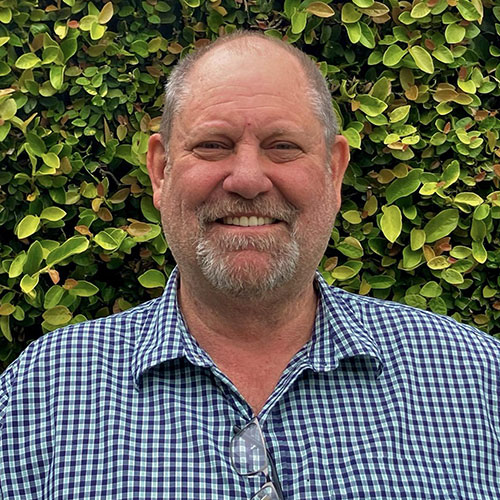
Charles Van Leuven is a mission-driven behavioral health entrepreneur and operator with over 12 years of frontline and executive leadership in addiction recovery, mental health, transport logistics, and residential treatment. He is the Co-Founder of Valor Behavioral Health, a 56-bed treatment center dedicated to comprehensive, client-centered care, and the Founder & CEO of National Treatment Transport, one of the nation’s most trusted adolescent transport services, known for safety, professionalism, and discretion.

Charles began his career in the Bay Area, providing direct care services to individuals and families navigating addiction. He went on to found Independence Recovery Coaching, delivering custom detox coordination, sober companionship, and intervention services. As a Founding Board Member of AMATS (Association of Mediation and Transport Services), he continues to lead industry-wide efforts to elevate safety, ethics, and training in adolescent transport.

He holds a Healthcare Management certificate from Cornell University and is a Nationally Certified Recovery Coach II. Across all of his ventures, Charles has supported thousands of families in navigating recovery, placement, and life-saving transitions with care, clarity, and integrity.

Chris Sharghi
Program Director

As the Program Director at Sacramento Wellness, Chris brings not only professional expertise, but also a deeply personal understanding of the journey to recovery. Being a certified alcohol and drug counselor, Chris has experience across all levels of care in the addiction treatment field. His path to recovery has instilled in him a profound empathy and a unique insight into the challenges and triumphs our clients face. Chris is deeply passionate about guiding others on their journey to wellness, driven by the belief that every individual deserves the opportunity to lead a fulfilling, substance free life. His commitment is to provide compassionate, evidence-based care and to empower each client with the tools and support needed for lasting recovery.

Dr. Christian Small
Medical Director

Dr. Small received his medical degree at the University of Hawaii. He completed his medical residency in Psychiatry and Family Medicine at UCSD. He is board certified in Psychiatry, Addiction Medicine, and Family Medicine. Dr. Small is passionate about bringing quality care to patients suffering with addiction.

Education:
University of Hawaii Burns school of medicine, FS3192995 ISSUE DATE 1/29/24