














Inpatient Alcohol Rehab Center in Sacramento

grass border

Accredited By

Accredited by California Department of Health Care Services (DHCS)

Sacramento Wellness offers inpatient alcohol rehab in Sacramento for adults who want a safe recovery from alcohol addiction. You live at our center and follow a daily care plan. Our medical team supports you 24/7. We focus on withdrawal risk, cravings, and mental health needs. Call us at (916) 504-9524 and start the healing process under medical supervision.

green squiggle

Alcohol Rehab in Sacramento With 24/7 Support for Long-Term Recovery

We provide 24/7 medical support to control your urges and withdrawal symptoms. At our inpatient alcohol rehab center in Sacramento, our nurses monitor vital signs, sleep, and appetite. We report changes to the medical team for further treatment planning. You also get help with hydration, comfort steps, and safe routines that protect early recovery. At our rehab center, we build a schedule that balances treatment time and rest time.

Our counseling sessions cover triggers, stress, and coping skills you can use when urges rise. Group work builds peer support and practice with coping skills. Family contact rules remain in place during your stay at our rehab center. We follow HIPAA rules, so we share information only with the contacts you approve.

Alcohol Rehab Near Me

Need alcohol rehab near Sacramento? We have a licensed team available to help at our inpatient alcohol rehab center in Sacramento. We are located at 2011 Kaila Way, El Dorado Hills, CA 95762. You can call us at  (916) 504-9524 to speak with the admission team. During the intake call, we fix the timings, what to bring, and program options for the inpatient alcohol program.
tree with a winding road icon

Testimonials

Recovery Stories from Our Clients

What is Inpatient Alcohol Rehab?

green squiggle

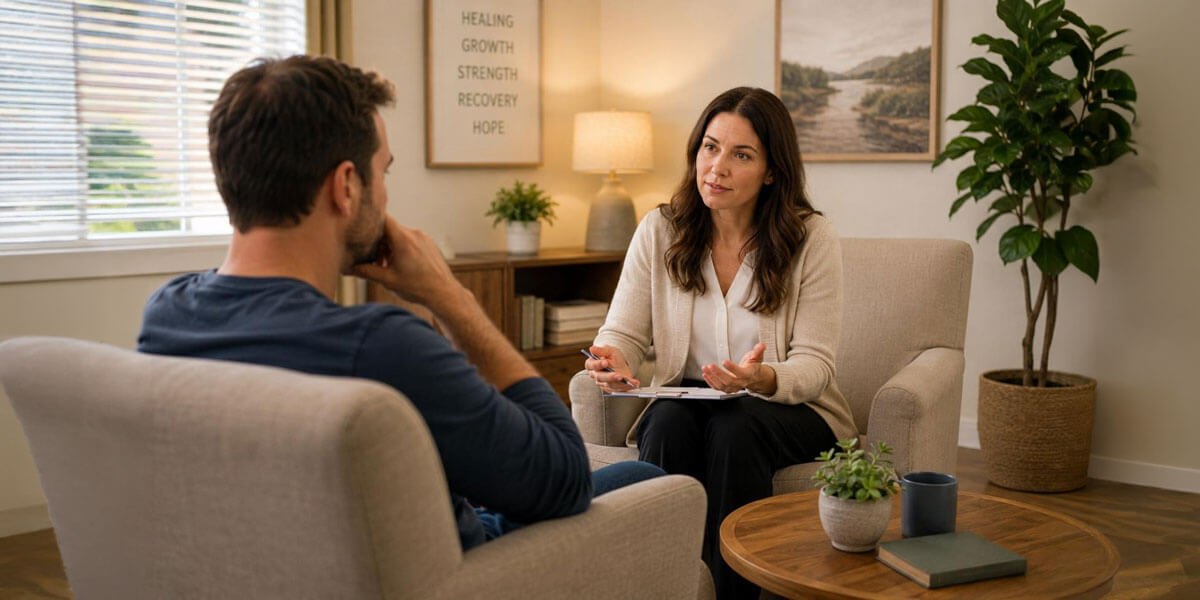
Inpatient alcohol rehab is residential treatment for alcohol use disorder. A person lives at a rehab center for 24-hour care and supervision. Staff provide medical checks, manage post-detox health needs, and support medication when needed. Daily care includes one-to-one counseling, group therapy, and skill practice for cravings and stress.

Rehab program supports sleep, nutrition, and a stable daily routine. Mental health screening checks for depression, anxiety, and trauma concerns. Length of stay depends on medical need and progress. Discharge planning prepares step-down care such as PHP, IOP, outpatient therapy, and community recovery supports.

When Inpatient Alcohol Rehab Is the Right Choice

When Inpatient Alcohol Rehab Is the Right Choice

Inpatient care can be helpful when alcohol addiction feels unsafe or impossible to quit at home. Some people return to drinking soon after quitting. Others face withdrawal signs that need medical attention. An inpatient alcohol rehab program can help when alcohol addiction becomes harmful. It also helps when you need medical support to overcome alcoholism.

  • Drinking limit increases abruptly
  • You drink right after waking up in the morning
  • A quit attempt ends with another relapse within days
  • Withdrawal signs show up when alcohol use ends
  • Alcohol gets mixed with pills or other drugs
  • Work or family plans get missed again and again
  • Conflict at home enforces regular alcohol use

Common Alcohol Withdrawal Symptoms

Alcohol withdrawal can start after alcohol use stops or drops. Withdrawal symptoms can range from mild discomfort to severe health risks. Some signs appear within hours and become severe within days. A medical team monitors changes and responds when risk rises. Early care can prevent complications and support detox.

  • Hand tremors: Hands may shake when the nervous system reacts to lower alcohol levels. Tasks like writing, eating, or holding a phone may feel harder. Tremors can signal rising withdrawal risk.
  • Nausea and vomiting: Stomach upset may start with nausea and poor appetite. It increases the risk of vomiting and severe stomach disorders.
  • Anxiety and agitation: Restlessness may increase, with pacing or trouble sitting through a conversation. Worry can spike without any cause. These symptoms can raise relapse risk without support.
  • Hallucinations or confusion: Some people see or hear things that are not there. Confusion may affect time, place, or basic tasks. These signs need urgent medical attention.
  • Sweating and chills: The body may feel frequent changes in temperature. You may feel hot and cold on a frequent basis. Such changes can disrupt sleep and fluid balance.
  • Rapid heartbeat: Heart rate may increase, making it feel like it’s pounding in the chest. Some people also notice chest tightness or short breath.
  • Sleep problems: Heavy alcohol doses can disrupt sleep patterns. It can lead to insomnia and make it difficult to fall asleep. Poor sleep can worsen irritability and increase craving for alcohol.
  • Seizure risk: Severe withdrawal can cause seizures in some cases. A seizure can start without warning. Medical supervision reduces risk and supports rapid response.

Addiction Rehab Facility Tour

interior of a house with a white couch and gold decor
drone shot of a large mansion with a pool, yard, and golf area surrounded by green trees
a beautiful mansion with a large shady driveway
a well groomed green yard with a pool and string patio lights

Our Approach to Alcohol Addiction Treatment in Sacramento

At Sacramento Wellness, we follow a practical sequence for alcohol treatment. We start with the health history and recent drinking pattern. Based on the medical assessment, we set goals for withdrawal safety and skill-building. Therapy targets relapse triggers and behavior choices. Our medical team reviews medications when needed. The treatment process keeps care aligned with your needs.

Personalized Treatment Plan

Our team gathers your drinking history, prior care notes, and current health needs. We ask about sleep, meals, stress at work or home, and support people you trust. We set goals you can practice every day, such as urge skills and early relapse signs. We adjust the plan when needs change.

Counselors use proven methods that target thoughts, habits, and relapse cues. Individual sessions focus on personal risk times and safer choices. Group sessions practice refusal skills, emotion control, and problem-solving. Counseling covers alcohol’s effects on the brain and the body.

A prescriber uses medication to reduce withdrawal symptoms or cravings. We track response, side effects, and sleep quality throughout the day. The medical team adjusts doses when needed and reviews drug interactions. Medication support works alongside therapy, group work, and daily skill practice.

Our Approach to Alcohol Addiction Treatment in Sacramento

We Accept Most Insurances

Alcohol Addiction Treatment Program in Sacramento

green squiggle

Our alcohol addiction treatment program in Sacramento is for adults who need more support than outpatient visits. We begin care with intake and safety screening. Treatment then follows a planned schedule with therapy and recovery skills. Our medical staff tracks symptoms and adjusts care steps. Discharge planning starts early to support follow-up care.

Alcohol Detox (When Needed)

Some people need detox before therapy starts. Our staff check withdrawal severity, hydration status, and nutrition intake. A doctor can advise medications based on symptoms and medical history. Nurses document changes during the 24/7 support. Once the body stabilizes, treatment moves into inpatient rehab.

Inpatient Alcohol Rehab

Inpatient rehab focuses on accurate treatment after early stabilization. A day at rehab includes planned group time, skill practice, and counselor sessions. We reinforce routines around sleep, meals, and recovery tasks. The program also supports healthy boundaries with outside contacts. Progress reviews help shape the next care level.

Individual and Group Therapy

In individual therapy, we break down the cycle that leads to drinking and plan new responses. We help you practice skills to control cravings and emotions. In group therapy, we build support, role-play real situations, and learn from others.

Dual Diagnosis Support

Alcohol use and mental health symptoms can rise together. We monitor mood changes, panic symptoms, trauma symptoms, and suicidal risk. Our therapists target both problems within the same care plan. A doctor may advise psychiatric medications when appropriate. Staff track mood and sleep changes through treatment.

Relapse Prevention Planning

Relapse prevention planning uses medical risk signs that can arise after alcohol withdrawal. Sleep loss, high anxiety, low mood, and strong cue reactions can raise craving intensity. We track these signs and link them to a written response plan. Our plan includes steps for cravings, panic spikes, and social pressure. It also includes support contacts and medical follow-up needs. Depression and anxiety can raise relapse risk.

What You Get in Inpatient Alcohol Rehab at Sacramento Wellness

At our inpatient alcohol rehab center in Sacramento, you receive scheduled medical support each day. Our plan includes medical check-ins, therapy sessions, and structured group work. Our medical team monitors safety and responds to symptoms. Meals and sleep time follow program rules. You also receive discharge planning with next-step care options.

24/7 Support in a Structured Setting

Medical staff remain available 24/7 to tackle any emergency situation and provide support. You can ask for help when cravings spike or anxiety rises. Our medical staff also monitors safety and responds to urgent needs. The structure limits idle time and reduces risky moments. Rules support order, respect, and focus.

Daily Therapy With Skill Building

Therapy happens on a consistent schedule, so progress does not depend on mood. Sessions focus on coping skills you can use in real life. You practice new responses to stress, conflict, and social pressure. A therapist assigns short tasks between sessions to practice skills. Progress notes track what works and what needs change.

CBT and DBT Focused Support

CBT targets thought patterns that lead to drinking. You practice replacing them with healthier choices and problem-solving steps. DBT skills focus on emotion control, distress tolerance, and communication. You apply skills during the day, then review results in sessions. Repetition helps skills hold during high-stress moments.

How Long Inpatient Alcohol Rehab Can Take

green squiggle

Our inpatient alcohol rehab programs last from 30 to 90 days. The exact length depends on your health needs and how much support you need to stop drinking safely. Some people need a shorter stay to stabilize. Others stay longer to work on habits and mental health symptoms.

Our care team reviews progress and adjusts the plan as you improve. If you get stable sooner, you may step down to a lower level of care. If symptoms remain constant, you may need more time before leaving.

Step Down Options After Inpatient Rehab

After inpatient care, many adults continue treatment while living at home. A lower level of care keeps regular therapy contact and helps protect early progress. The plan matches work hours, family duties, and relapse risk. Two common aftercare options for many people are PHP and IOP.

Partial Hospitalization Program (PHP)

Partial Hospitalization Program PHP gives you more treatment time during the week without an overnight stay. You attend daytime medical visits and counseling. We check cravings, sleep problems, and mood shifts during visits. PHP can support you when outpatient care alone feels too limited.

Intensive Outpatient Program (IOP)

IOP offers scheduled sessions with less hours than PHP. Many people choose IOP when they need ongoing therapy while managing work or school. Sessions focus on relapse risk, coping skills, and accountability. The schedule can include evening blocks, based on program availability.

Benefits of Choosing Inpatient Alcohol Rehab

green squiggle

Inpatient alcohol rehab supports recovery with daily medical assessment and less outside distractions. It also helps families understand how to support change at home. Choosing our rehab center can reduce travel problems and make follow-up easier. We also follow privacy rules to protect health information.

Family Support

With your written consent, we can include family in education sessions or planned calls. Family members can learn boundary skills and how to avoid enabling. They can also learn warning signs that indicate a higher risk of relapse.

Aftercare Planning

Planning continues through treatment and focuses on what happens after discharge. You can leave with therapy referrals, recovery meeting options, and a plan for higher-risk days. A plan can also include step-down care.

Familiar Location

Staying near home can help with family involvement and local follow-up. It also helps reduce missed appointments after discharge. A nearby program can fit people who cannot leave the region due to work or parenting duties.

Healthcare Access

Our treatment supports coordination with nearby medical providers when needed. It can also help with referrals to psychiatry and primary care, as well as follow-up lab work.

No Travel Burden

Long travel can add stress during early recovery. It can also make family visits harder. A nearby program reduces time on the road and keeps the focus on treatment.

HIPAA Privacy Protection

HIPAA limits who can receive information about your care. Staff share updates only with approved contacts listed in a signed release. You can change permissions at any time during treatment.

Dual Diagnosis Support During Inpatient Alcohol Rehab

Dual diagnosis care treats alcohol use disorder and mental health symptoms at the same time. Some people drink to numb panic, trauma symptoms, or low mood. Others see anxiety or depression worsen after heavy drinking ends. Our staff screens for symptoms during intake and conducts ongoing checks throughout the stay.

Treatment adds mental health therapy along with alcohol recovery. A psychiatric provider may review medications and monitor side effects. Our medical team tracks mood shifts, sleep quality, and safety risk each day. Treatment planning also includes follow-up mental health support after discharge.

Aftercare and Ongoing Support After Discharge

green squiggle
Aftercare and Ongoing Support After Discharge
After discharge, our ongoing support helps protect progress and reduce relapse risk. The plan focuses on structure, accountability, and quick access to help when stress rises. Your aftercare plan includes medical care, peer support, and practical steps for home and work routines.

Aftercare support we provide at Sacramento Wellness:

  • Follow up on individual therapy appointments
  • Group counseling or outpatient sessions
  • PHP or IOP step-down care when recommended
  • Medication follow-ups when prescribed
  • Recovery meetings in your local area
  • A relapse prevention plan with warning signs and action steps
  • Family support sessions when you approve contact

Why Choose Sacramento Wellness for an Inpatient Alcohol Rehab Center

green squiggle

We provide inpatient alcohol rehab near Sacramento with medical oversight and scheduled therapy. Our staff coordinate intake, detox when needed, residential care, and step-down services in one place. You receive consistent check-ins, documented care notes, and a discharge package with follow-up referrals.

We follow HIPAA privacy rules and share information only with your written permission. Call us to verify insurance, review start dates, and ask what to bring. The team answers billing questions before you arrive.

Our Team

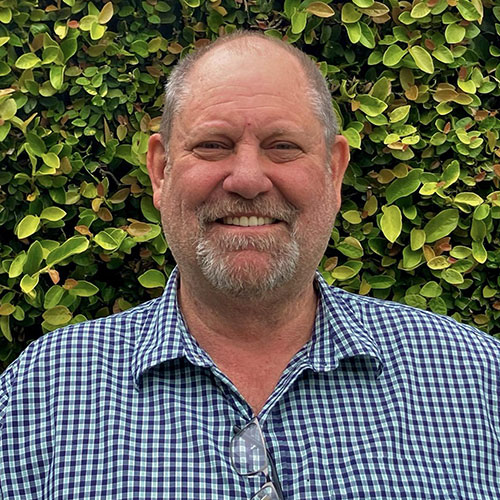
  • Charles Van Leuven
    Charles Van Leuven
    Executive Director
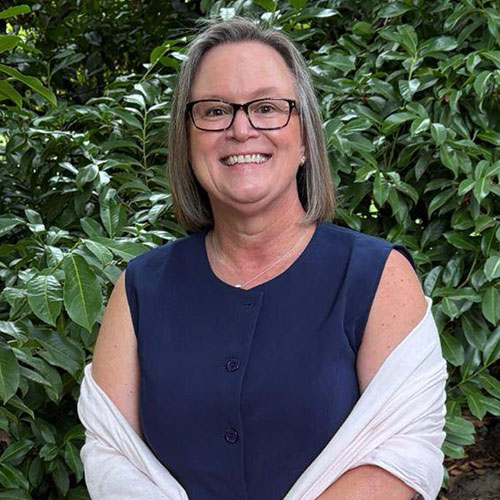
  • Chris Sharghi
    Chris Sharghi
    Program Director
  • Dr. Christian Small
    Dr. Christian Small
    Medical Director

Areas We Serve in Sacramento and Nearby

green squiggle
Areas We Serve in Sacramento and Nearby
We welcome adults from Sacramento and nearby cities.  Some people come from nearby towns, so family visits and follow-up care are easier to plan. Contact us at  (916) 504-9524 for the admission process and medical assessment. Nearby communities include:
  • Sacramento
  • El Dorado Hills
  • Folsom
  • Rancho Cordova
  • Citrus Heights
  • Carmichael
  • Fair Oaks
  • Orangevale
  • Gold River
  • Roseville
  • Rocklin
  • Lincoln
  • Elk Grove
  • West Sacramento
  • Davis
  • Woodland
  • Placerville
  • Cameron Park
  • Shingle Springs
  • Auburn

Frequently Asked Questions

What does inpatient alcohol rehab help you work on besides stopping drinking?

It can help you rebuild sleep, eating, and daily structure. It can also help with stress control, impulse control, and safer decision-making. Many people also work on repairing relationships and improving work-life balance.

Yes. Some people binge drink and still face a high risk. Loss of control, blackouts, or risky behavior can signal a need for higher care. A clinical intake call can help decide fit.

Phone rules can vary. Some programs allow limited access during set hours. Others limit use early in care to protect focus and sleep. Admissions can share the current policy before you arrive.

Have a photo ID, insurance card, and a list of current medications. If you have recent hospital discharge papers or lab results, keep those ready, too. This can help the team complete intake steps faster.

You can request discharge, but the staff will review the safety risk first. They may recommend a safer plan, such as step-down care or follow-up appointments. The goal is to reduce medical risk during departure.

tree with a winding road icon

Related Blogs

Taking the first step toward recovery requires tremendous courage. If you’re exploring inpatient drug rehab Sacramento options, you...

When you’re ready to take the courageous step toward recovery, the terminology alone can feel overwhelming. You might...

Starting inpatient treatment can feel like a big step when life is tough to handle. Many people wonder...

Contact Us Today

Ready to take the first step? Fill out the form below or call us anytime.

This field is for validation purposes and should be left unchanged.
Name*
Charles Van Leuven
Executive Director

Charles Van Leuven is a mission-driven behavioral health entrepreneur and operator with over 12 years of frontline and executive leadership in addiction recovery, mental health, transport logistics, and residential treatment. He is the Co-Founder of Valor Behavioral Health, a 56-bed treatment center dedicated to comprehensive, client-centered care, and the Founder & CEO of National Treatment Transport, one of the nation’s most trusted adolescent transport services, known for safety, professionalism, and discretion.

Charles began his career in the Bay Area, providing direct care services to individuals and families navigating addiction. He went on to found Independence Recovery Coaching, delivering custom detox coordination, sober companionship, and intervention services. As a Founding Board Member of AMATS (Association of Mediation and Transport Services), he continues to lead industry-wide efforts to elevate safety, ethics, and training in adolescent transport.

He holds a Healthcare Management certificate from Cornell University and is a Nationally Certified Recovery Coach II. Across all of his ventures, Charles has supported thousands of families in navigating recovery, placement, and life-saving transitions with care, clarity, and integrity.

Chris Sharghi
Program Director

As the Program Director at Sacramento Wellness, Chris brings not only professional expertise, but also a deeply personal understanding of the journey to recovery. Being a certified alcohol and drug counselor, Chris has experience across all levels of care in the addiction treatment field. His path to recovery has instilled in him a profound empathy and a unique insight into the challenges and triumphs our clients face. Chris is deeply passionate about guiding others on their journey to wellness, driven by the belief that every individual deserves the opportunity to lead a fulfilling, substance free life. His commitment is to provide compassionate, evidence-based care and to empower each client with the tools and support needed for lasting recovery.

Dr. Christian Small
Medical Director

Dr. Small received his medical degree at the University of Hawaii. He completed his medical residency in Psychiatry and Family Medicine at UCSD. He is board certified in Psychiatry, Addiction Medicine, and Family Medicine. Dr. Small is passionate about bringing quality care to patients suffering with addiction.

Education:
University of Hawaii Burns school of medicine, FS3192995 ISSUE DATE 1/29/24