












Accredited By
Begin your DBT journey with Sacramento Wellness in Sacramento, CA. We help adults manage intense emotions and harmful behaviors using practical skills for emotional stability and better relationships. If you face addiction and mental health difficulties together, take the next step. Our program enables you to accept reality and make meaningful changes right here in Sacramento.
Inpatient Dialectical Behavior Therapy for Adults
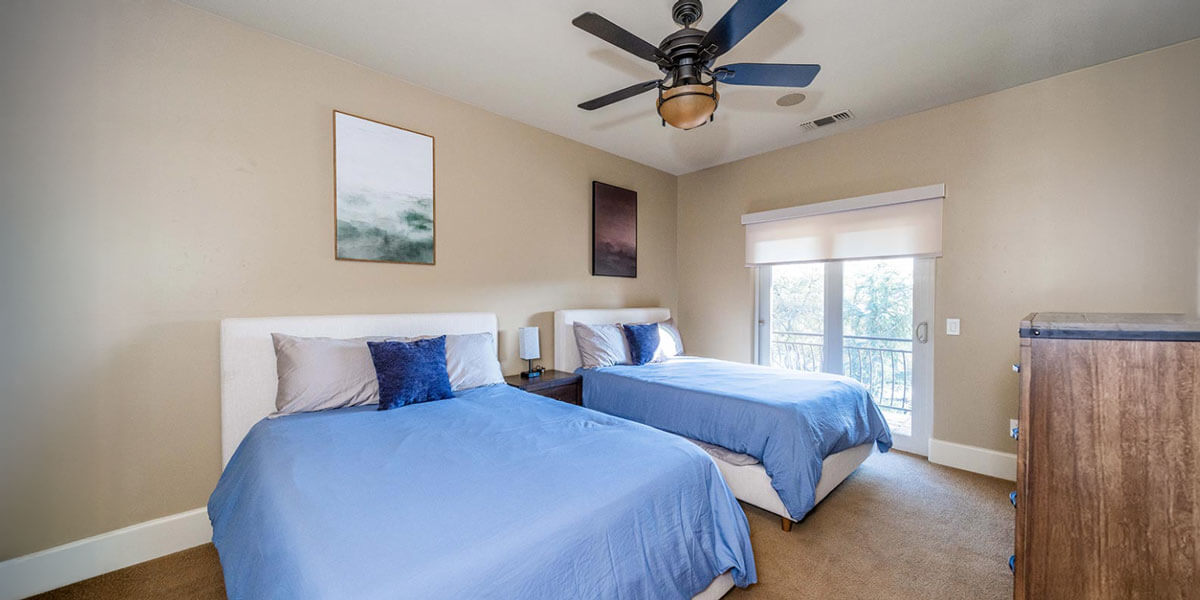
Sacramento Wellness provides inpatient DBT for adults in a structured residential setting. You stay with us during treatment, letting you focus fully on learning practical DBT skills in a peaceful environment.
We combine DBT with addiction care. Our therapists teach you how to pause before reacting, giving you tools to manage stress, panic, and emotional pressure. DBT is used within structured rehab care, where you practice skills in an encouraging environment and build habits that stick after you leave.
Dialectical Behavioral Therapy from DHCS-Certified Professionals
Sacramento Wellness meets DHCS standards, and our staff holds proper certifications. They know how to deliver DBT while ensuring safety measures are in place.
We train our team in DBT skills and use evidence-based methods, so you receive therapy aligned with proven practices. Our program includes therapy, daily support, and planning for the next stage of recovery.
Testimonials
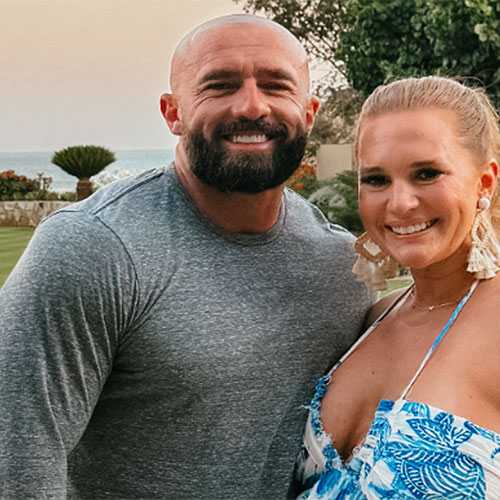
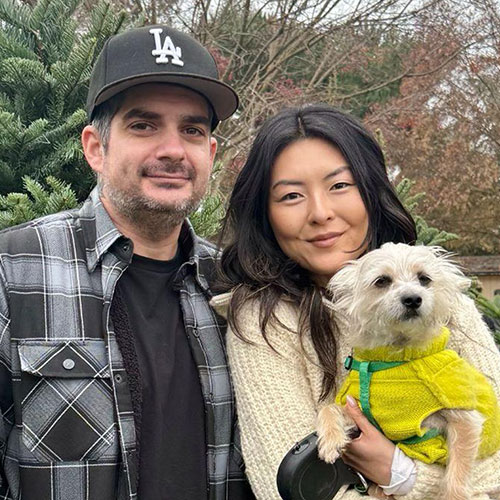
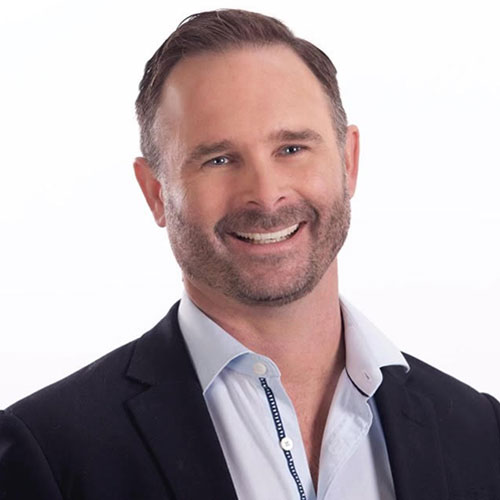
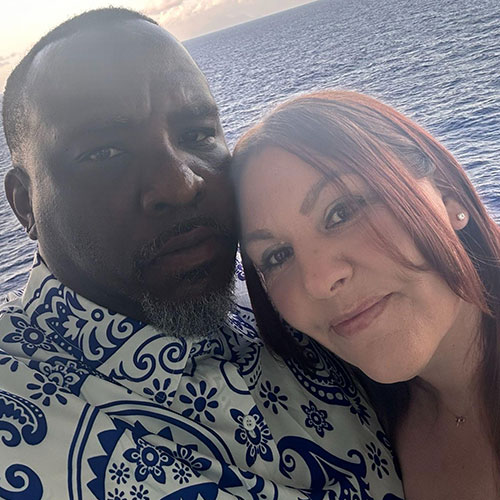
Recovery Stories from Our Clients
DBT While Treating Drug and Alcohol Addiction in Sacramento
DBT can be part of the treatment for both drug and alcohol addiction. It is especially helpful when urges, shame, conflict, or strong emotions interfere with recovery. DBT helps you regulate feelings that trigger use, and we use it alongside detox and counseling.
You learn to tolerate cravings and build skills to resist urges. This procedure helps reduce relapse risk, and you may notice positive changes in your behavior in just a few weeks. It also gives you tools for stress, panic, and emotional pressure.
What Is Dialectical Behavior Therapy?
DBT began as a treatment for borderline personality disorder, blending acceptance and change. You accept your emotions as they are while working to shift behaviors.
The name comes from dialectics, holding two truths at once: feelings hold truth, and actions can improve. DBT teaches four skill areas: mindfulness, distress tolerance, emotion regulation, and interpersonal effectiveness.
Sessions mix individual work and group practice. You receive homework to apply skills daily. Research shows it reduces self-harm, suicide attempts, and hospital stays, and it helps with various types of addiction as well.
When Do We Use DBT in Addiction Treatment?
DBT is used when emotional pressure begins to affect a person’s functioning. Some adults struggle to stay regulated during stress, conflict, or moments of distress, making it harder to keep engaged in daily therapy and recovery work. DBT adds a more planned approach for managing those responses within rehab.
We use DBT when:
- Intense mood swings lead to substance use
- Self-harm or suicidal thoughts appear
- Relationships trigger relapses
- Chronic emptiness drives substance seeking
- Anger or shame cycles repeat
- Difficulty coping without substances
DBT Skills We Teach at Sacramento Wellness
DBT uses practical skills that can be applied during treatment each day. At Sacramento Wellness, these skills are taught in a structured rehab setting. The goal is to help you react less impulsively and cope better under pressure, supporting healthier responses to stress, urges, or conflict in recovery.
Mindfulness Skills
Mindfulness skills help you notice thoughts, urges, and emotions as they arise. They allow you to avoid reacting right away, pause, observe, and stay more aware of what is happening in the moment. During recovery, this can reduce impulsive reactions and create more control during stress, cravings, or emotional pressure.
Distress Tolerance Skills
Distress tolerance skills are used when a situation feels intense or hard to manage. These instances may involve panic, shame, conflict, or abrupt urges linked to substance use. The focus is on getting through that pressure without making the moment worse. In our treatment, these skills support safer coping during crisis periods, helping protect recovery during emotional highs and lows.Emotion Regulation Skills
Strong emotions can affect life decisions, reactions, and the progress of recovery. Emotion regulation work helps you understand how those feelings build and how they shape behavior. This skill area supports positive ways to respond before emotions take over, leading to greater balance in daily life and greater steadiness during recovery.Interpersonal Effectiveness Skills
Interpersonal effectiveness skills focus on how you communicate with others during recovery. They address defining boundaries, responding more effectively in conflict, seeking support, and communicating clearly under pressure. Relationship stress can affect treatment progress, emotional stability, and relapse risk.Substance Use Disorders We Treat with DBT
Our dialectical behavior therapy is used within addiction treatment for several substance use disorders. DBT is not used alone; it is part of structured care that includes therapy, daily support, and relapse prevention planning during rehab.
Alcohol Use Disorder
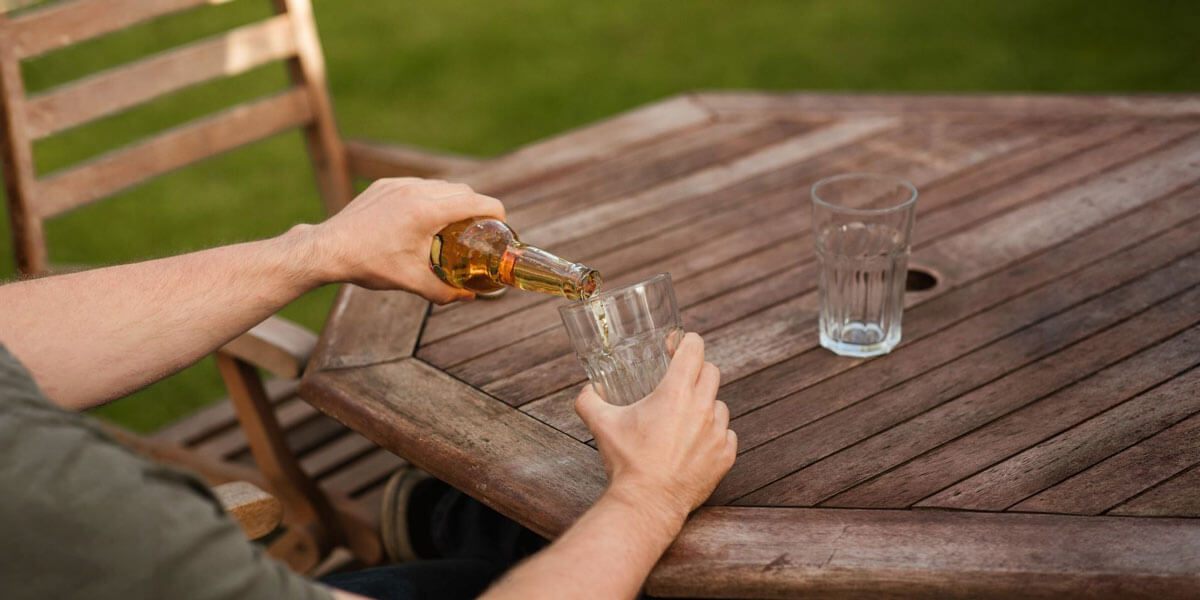
Alcohol use disorder can affect control, decisions, and daily behavior over time. You may keep drinking even when it impacts work, health, family life, or treatment progress. Strong emotions, stress, and shame may also increase the urge to drink. We use DBT when emotional pressure and urges begin to affect recovery in a serious way.
Opioid Use Disorder
Opioid use disorder can involve strong physical dependence, repeated cravings, and high relapse risk. Some people also struggle with emotional distress, fear, or discomfort when trying to stop. Recovery may require more than one form of support. We provide therapy, medical support, and practical skill work as part of treatment, all in a structured setting with close medical oversight.
Methamphetamine Addiction
Meth addiction can affect mood, sleep, focus, decision-making, and emotional control. It may also lead to agitation, impulsive behavior, and unstable daily routines. These problems can make treatment more difficult without sufficient structure.
Cocaine Addiction
Cocaine use can cause cravings, poor impulse control, and repeated return to use. Certain people, places, or emotional conditions may further increase risk. These patterns can make recovery challenging when reactions happen. Our DBT sessions start with identifying triggers and harmful patterns early, then learning safer responses during rehab.
Polysubstance Use
Polysubstance use involves the repeated use of more than one substance. A person may alternate between drugs, combine them, or rely on different substances in different settings. This can make recovery more difficult because each substance may affect the body and behavior differently.
Mental Health Conditions We Treat with Dialectical Behavioral Therapy
At Sacramento Wellness, we provide dual diagnosis treatment for adults with both substance use and mental health needs. DBT can be part of our process when emotions, panic, mood changes, or behavior patterns affect recovery. We start with screening and a medical assessment to determine what you need first.
- Depression: Low mood, hopeless thinking, and low motivation can interfere with recovery work.
- Anxiety Disorders: Anxiety can raise fear, tension, and avoidance during treatment and daily life.
- Post-Traumatic Stress Disorder (PTSD): Trauma symptoms may increase stress, panic, and relapse risk during recovery.
- Bipolar Disorder: Mood shifts can affect decisions, routine, and treatment progress.
- Obsessive-Compulsive Disorder (OCD): OCD can affect thoughts, behavior, and daily function during treatment.
- Attention-Deficit Disorder (ADHD): Attention problems and impulse control issues may affect recovery work.
- Borderline Personality Disorder (BPD): BPD can involve intense emotions, unstable reactions, and conflict in relationships.
The DBT Program Structure at Sacramento Wellness
Our DBT fits into a larger addiction treatment plan. It is used within inpatient, residential, and dual diagnosis care. Assessment, therapy, and skill use are built into the treatment structure from the start. Planning for the next step also helps keep care moving in the right direction each day.
- Clinical Assessment: We start with screening and a full assessment. That helps our team review symptoms, substance use, and safety concerns.
- Residential Placement: Some adults are placed in residential or inpatient care after intake. Placement depends on treatment needs and support level.
- Daily Therapy: Daily plans include groups, one-on-one counseling, and practice time. DBT can be part of that routine.
- Skills Practice: DBT skills are practiced during treatment, not just discussed. That can help when urges, panic, or conflict appear.
- Mental Wellness Assistance: Dual diagnosis care addresses mental health symptoms and substance use together in one plan.
- Discharge Planning: Recovery planning continues throughout treatment. It includes aftercare steps and support for the next phase.
- MAT Assistance if Required: Some adults may need medication-assisted treatment support or detox before therapy begins, depending on medical requirements.
We Accept Most Insurances


How Long Does Dialectical Behavior Therapy Take?
Our inpatient DBT program runs 30 to 90 days, matching standard residential timelines. You receive intensive skills training during this period. The DBT timeline depends on your level of care and treatment needs.
Treatment length might vary based on symptoms, substance history, and progress during rehab. We extend care when needs are more complex, planning based on your assessment.
Benefits of DBT at Sacramento Wellness
DBT gives you skills that can be used during real recovery situations. At Sacramento Wellness, those skills are taught inside a structured treatment setting, practiced during stress and other high-pressure moments, with ongoing rehab support remaining part of daily care.
- Better control during strong emotions
- More tools for handling urges
- Healthier responses during conflict
- Support during panic or distress
- Greater awareness of triggers
- Skill practice inside treatment
- Improved coping without substance use
Why Choose Us for DBT?
We offer DBT inside a licensed addiction treatment setting in the Sacramento area. Our program connects therapy, daily support, and recovery planning in one place. Our team keeps care organized within a single treatment setting, providing structured treatment that remains active from intake through the next stage.
- California DHCS-licensed and certified program
- Inpatient and residential care with 24/7 support
- DBT is used in addiction and dual diagnosis treatment
- Daily therapy and recovery planning
- El Dorado Hills location near Sacramento
- MAT support when clinically appropriate
Start DBT as Part of Addiction Treatment
If you are looking for DBT in the Sacramento area, contact us today. We can talk through your treatment needs, review the next step, and help you begin care in a structured rehab setting.
Call us at (877) 359-6760 to start intake or ask about admission, detox, and residential treatment options.
Areas We Serve
Our El Dorado Hills location serves adults from the Sacramento area and nearby parts of Northern California. We also support people across the Sacramento Valley who need structured addiction treatment. Our location gives you a treatment option close to the region while also providing space to step away from daily triggers.
- Elk Grove
- West Sacramento
- Davis
- Woodland
- Placerville
- Cameron Park
- Shingle Springs
- Auburn
- Sacramento
- El Dorado Hills
- Folsom
- Rancho Cordova
- Citrus Heights
- Carmichael
- Fair Oaks
- Orangevale
- Roseville
- Rocklin
Our Others Treatment Programs
- Alcohol Rehab Program
- Detox Program
- Alcohol Detox Program
- Drug Detox Program
- Inpatient Treatment Program
- Inpatient Alcohol Treatment
- Residential Treatment Program
- Dual Diagnosis Treatment Program
- MAT Detox Program
- Partial Hospitalization Program (PHP)
- Addiction Treatment Program
- Rehab Center Programs
- Drug Rehab Program
Frequently Asked Questions
How does DBT differ from CBT?
DBT adds acceptance to change. It focuses more on emotions than on thoughts and includes skills for managing distress and for building relationships.
Can DBT help my addiction?
Yes. Sacramento Wellness uses DBT as part of addiction treatment, not as a stand-alone service. The therapy helps with emotion regulation, impulse control, distress tolerance, and urge management during recovery.
What is the daily DBT schedule like?
DBT is structured around a treatment schedule that includes therapy sessions, skills practice, group counseling, and clinical check-ins. In a residential or inpatient setting, this means the work happens throughout the day rather than in a single short session.
Do I need DBT if I have BPD?
It may be a solid fit when recovery is affected by intense emotions, unstable reactions, conflict, or impulsive behavior. The program starts with screening and assessment to determine which therapies are best suited.
How soon can I see DBT results?
Results vary from person to person. Some adults begin using DBT skills within the first few weeks of treatment. Larger changes in emotional control and coping often take more time.
Is inpatient DBT covered by insurance?
Many insurance plans may help cover inpatient treatment that includes DBT. Coverage varies based on your plan and level of care. Our team can help verify your insurance before treatment starts.
Related Blogs
Taking the first step toward recovery is one of the most courageous decisions you’ll ever make. If you’re...
Choosing addiction treatment is one of the most courageous decisions you’ll ever make. If you’re researching options right...
If you’re considering treatment, you’ve likely wondered about detox and maybe felt anxious about it. The uncertainty can...
Contact Us Today
Ready to take the first step? Fill out the form below or call us anytime.