

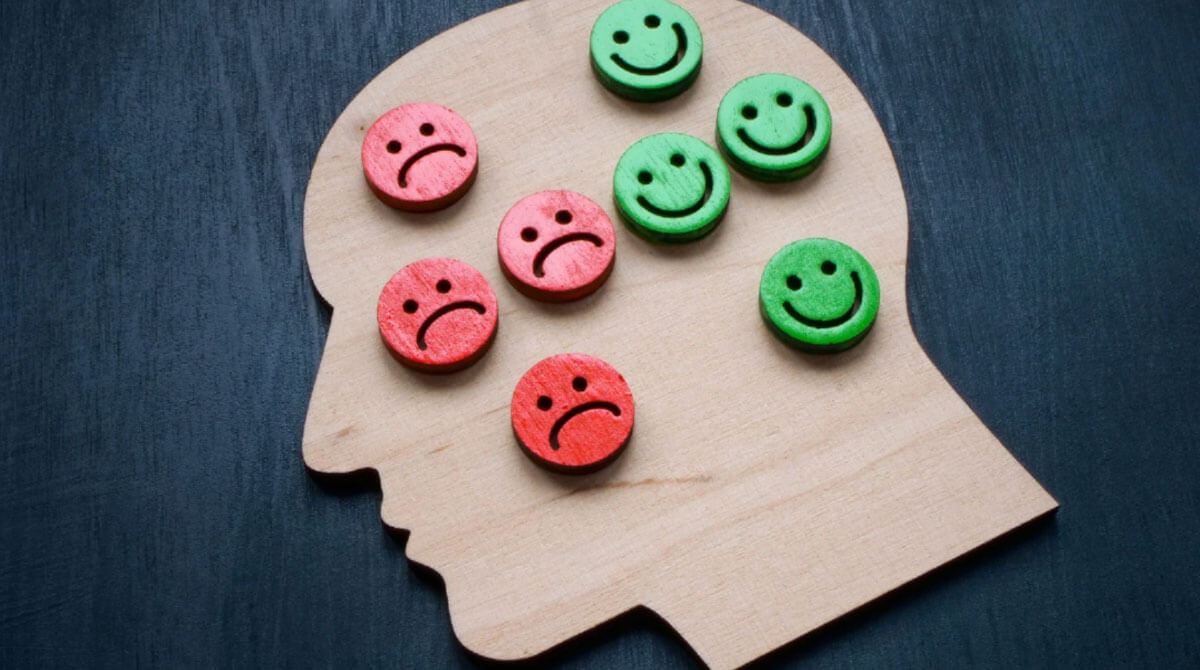
If you’ve been struggling with both substance use and overwhelming anxiety, depression, or other mental health challenges, you’re not alone, and you’re not imagining the connection. When addiction and mental health conditions exist together, they’re called co-occurring disorders, and they require specialized care that treats both simultaneously. Understanding how Dual Diagnosis Treatment Sacramento works can be the first step toward lasting healing.
What Are Co-Occurring Disorders?
Co-occurring disorders, also known as dual diagnosis, occur when someone experiences both a substance use disorder and a mental health condition at the same time. Research shows that these conditions are more common than many people realize. Common combinations include:
- Depression and alcohol addiction
- Anxiety disorders and prescription drug misuse
- PTSD and substance dependence
- Bipolar disorder and stimulant use
These conditions often feed each other, using substances to cope with mental health symptoms, while addiction worsens emotional distress. Breaking this cycle requires treatment that addresses both conditions together, not separately. You deserve care that sees the whole picture of what you’re facing.
Why Integrated Care Makes the Difference
Traditional treatment approaches sometimes address addiction without fully exploring underlying mental health conditions, or vice versa. This incomplete approach often leads to relapse because the root causes remain untreated.
Co-Occurring Disorder Treatment Sacramento uses an integrated model where mental health professionals and addiction specialists work as one team. This means:
- Simultaneous Treatment: Both conditions receive attention from day one
- Coordinated Care: Your treatment team communicates and collaborates on your personalized plan
- Comprehensive Assessment: We explore the full picture of your physical, mental, and emotional health
- Evidence-Based Therapies: Proven approaches like CBT, DBT, and trauma-informed care address both conditions
At Sacramento Wellness, we understand that your story is unique. Our Addiction Treatment Center Sacramento approach recognizes that healing isn’t one-size-fits-all; it’s about understanding what brought you here and what you need to move forward with hope.
The Components of Dual-Diagnosis Treatment
Medical Stabilization and Detox
Recovery often begins with medical detox in a safe, supervised environment. Our clinical team monitors your physical and mental health throughout withdrawal, providing medication-assisted treatment (MAT) when appropriate to ease symptoms and reduce cravings.
Psychiatric Care and Medication Management
Many co-occurring disorders benefit from psychiatric medication alongside therapy. Our psychiatric professionals take time to evaluate your needs and thoughtfully adjust medications to support both your mental health and recovery journey.
Individual and Group Therapy
Evidence-based therapies help you understand the relationship between your mental health and substance use. You’ll develop coping skills, process trauma, and build sustainable strategies for managing both conditions through cognitive behavioral therapy and dialectical behavior therapy. These tools become part of your foundation for long-term wellness.
Holistic Healing Activities
Recovery happens in the mind, body, and spirit. Our peaceful residential campus offers yoga, mindfulness practices, fitness activities, and holistic therapy groups that support whole-person healing in a safe, non-judgmental environment where you can rediscover yourself.
What Dual-Diagnosis Recovery Looks Like
Recovery isn’t linear, and it’s not about perfection. It’s about progress, learning to recognize triggers, building healthy coping mechanisms, and reconnecting with yourself in meaningful ways. Some days will feel easier than others, and that’s okay.
Through Dual Diagnosis Treatment Sacramento, you’ll discover that treating both conditions together creates a stronger foundation. When anxiety no longer drives you to self-medicate, and sobriety no longer feels impossible without addressing depression, real change becomes possible.
Our residents often describe their time here as transformative, not just because of clinical excellence, but because of the compassionate, human-centered care they receive at our residential treatment programs. You’ll be seen, heard, and supported every step of the way.
Frequently Asked Questions
What’s the difference between dual diagnosis and co-occurring disorders?
These terms are used interchangeably to describe when someone has both a mental health condition and a substance use disorder requiring simultaneous treatment.
How long does dual-diagnosis treatment take?
Treatment length varies based on individual needs, but residential programs typically range from 30 to 90 days, with continued support through outpatient care.
Does insurance cover dual-diagnosis treatment?
Many insurance plans cover co-occurring disorder treatment. Our admissions team can help verify your insurance benefits and answer your questions about coverage.
Can family members participate in treatment?
Yes, family involvement is encouraged and beneficial. We offer family therapy and education programs because healing often extends beyond the individual.
What happens after residential treatment?
We create a comprehensive aftercare plan including outpatient services, support groups, and ongoing psychiatric care to support long-term recovery and help you maintain the progress you’ve made.
Begin Your Path to Healing
Taking the first step toward treatment requires courage. Especially when you’re facing multiple challenges at once. At Sacramento Wellness, our Co-Occurring Disorder Treatment Sacramento programs provide the comprehensive, compassionate care you deserve in a peaceful environment designed for healing. Contact us today to learn more about how dual-diagnosis treatment can help you reclaim your life, your hope, and your future. We’re here to walk alongside you.