Residential Treatment in Sacramento, CA

grass border

Accredited By

Accredited by California Department of Health Care Services (DHCS)

Sacramento Wellness residential treatment center in Sacramento provides a stable place to focus on recovery. You stay at our center under 24×7 medical supervision and therapy support. Our team helps you follow a daily plan that balances treatment, rest, and wellness habits. These routines strengthen decision making after care ends.

We Provide Residential Drug and Alcohol Treatment in Sacramento

At Sacramento Wellness we provide residential treatment for drug and alcohol use. The program serves Sacramento residents and nearby communities. You stay on site, away from daily hustle and work pressure.

Our residential treatment center in Sacramento supports recovery skills each day. You meet with therapy staff and join group sessions. Our medical team helps you practice coping skills to control withdrawal symptoms. We aim to provide a calm environment to coordinate all medical care.

We create a treatment plan based on your personal history and recovery goals. Our medical care team treats substance use and mental health needs at the same time. Treatment also addresses sleep hygiene, nutritional intake, and structured day planning. This structure helps improve focus, stability, and day-to-day balance.

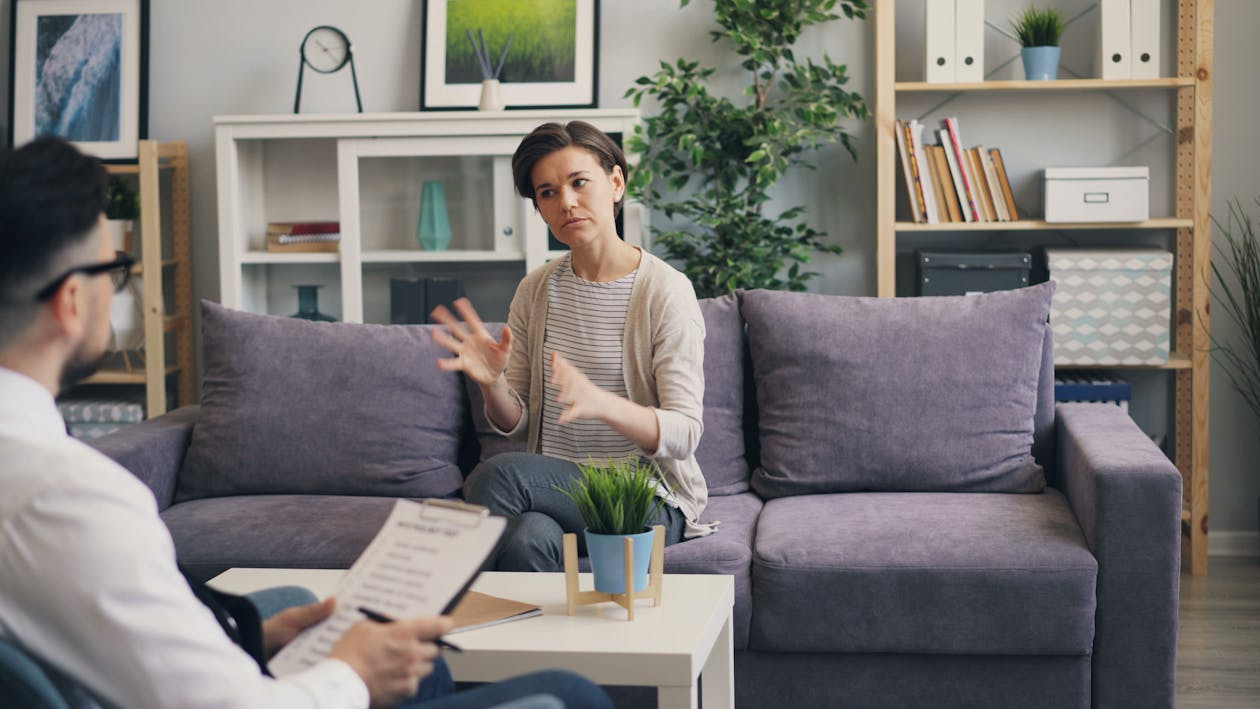
sad-woman-awaring-her-problems-at-psychological-co-2025-03-18-17-19-44-utc(1)

We Help You Stabilize With 24x7 Care For Safe Recovery

green squiggle

Residential care gives you dedicated time to focus on recovery and reset daily functioning. We keep you away from daily work life which can lead you to swing back into unhealthy actions. Sacramento Wellness provides 24×7 medical support to help manage withdrawal symptoms.

Our team monitors sleep disruption, mood changes, and physical discomfort throughout care. This level of supervision supports early stabilization and safety. You follow a structured daily schedule built around therapy, skill development, and recovery practice. Our care includes individual therapy, group sessions, and coping skill training. These services support emotional regulation, stress response, and relapse prevention. Consistent routines help regulate sleep patterns and improve daily functioning.

About Our Residential Treatment Center in Sacramento

two-women-in-office-consulting-or-psychological-s-2025-01-09-06-47-32-utc(1)

At Sacramento Wellness, you stay at our center near Sacramento in El Dorado Hills. Residential treatment combines housing with daily recovery care. At our residential treatment center we provide round the clock support. Our team helps you follow a healthy routine along with therapy sessions.

Residential treatment at our center includes:

  • A calm, home style living space
  • 24×7 medical oversight and counseling support
  • Daily group sessions and one on one sessions
  • A care plan matched to your needs and goals
  • Wellness activities that support stress control
  • Meals and a structured day routine
  • Family sessions when you approve involvement
  • Planning for resources after residential care

Who We Help in Residential Treatment in Sacramento

Our residential treatment center in Sacramento is for people who need help against substance or alcohol use. At our Sacramento treatment center you get medical care while staying near home. This center is also for people who need extensive support that weekly visits can’t offer. Some of you also want to get help away from family and friends. We at Sacramento Wellness invites you to get routine treatment under stable residential care.

People we help in residential treatment in Sacramento:

Weekly visits do not provide enough support

Outpatient care can leave long gaps between sessions. Those gaps can raise relapse risk. Work stress, family conflict, or access at home can pull you towards substance use. Sleep and eating can also decrease when symptoms rise. In residential care, you live on site and follow a full day plan. You get therapy, skill practice, and staff support across the day.

People with relapse risk

Some people face frequent cravings and increase the dose of substances. It can increase the overdose risk. Residential care lowers access and supports safer choices. We help you practice urge control skills when urges arise. You also build a plan for support after discharge.

Mental health symptoms affect recovery

Anxiety, depression, trauma symptoms, and mood swings can fuel substance use. Sleep loss can worsen focus and patience. Our team supports both substance recovery and mental health care. You work on coping skills in sessions, then use them to control symptoms. We also support medication coordination when you take psychiatric medicines.

tree with a winding road icon

Testimonials

Recovery Stories from Our Clients

Our Approach to Residential Treatment

Our approach keeps you engaged in the recovery process with each passing day. We combine therapy, skills practice, wellness time, and staff support at our center. In the calm and medically supervised environment you can focus on recovery without distractions. We also match care to your history, goals, and mental health needs.

Immersive Daily Care

Daily routines reinforce treatment goals through therapy sessions, recovery exercises, and guided activities.

We include mindfulness or movement sessions, one to one therapy meetings, and peer groups. You also join workshops on coping skills and emotional regulation. We add wellness options like art therapy, journaling, or yoga.

Whole Person Care Team

Our team combines medical support, therapy support, and care coordination. We review your goals, mental health symptoms, and progress during your stay.

Medical staff coordinate family counseling and communication coaching after your approval. We connect you with local support groups, job resources, and sober living networks.

Structured Residential Support

Residential care gives you a stable place to practice recovery choices. You live on campus with access to shared or private rooms and friendly common spaces.

On site dining supports nutritious meals. We also encourage outdoor activity such as walking and meditation. Our team maintains a low client to staff ratio so you receive more time and attention during care.

Addiction Rehab Facility Tour

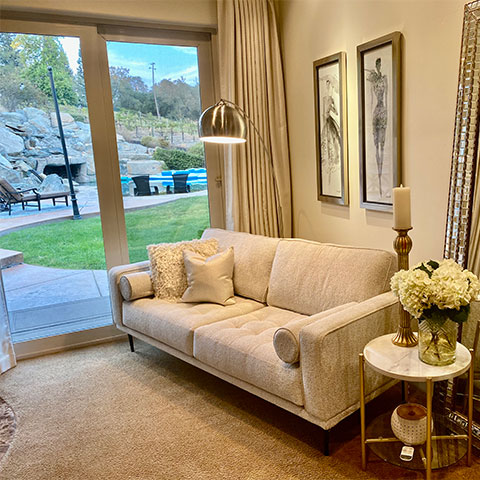
interior of a house with a white couch and gold decor
drone shot of a large mansion with a pool, yard, and golf area surrounded by green trees
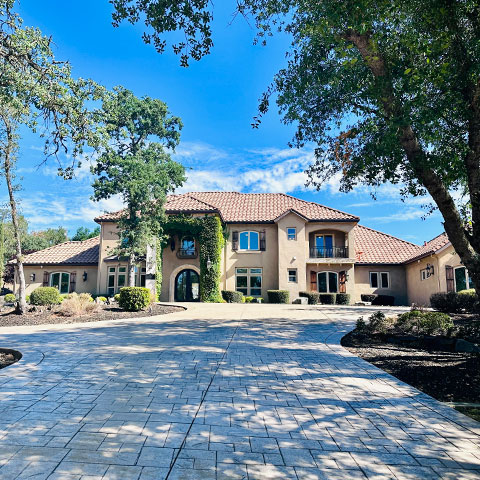
a beautiful mansion with a large shady driveway
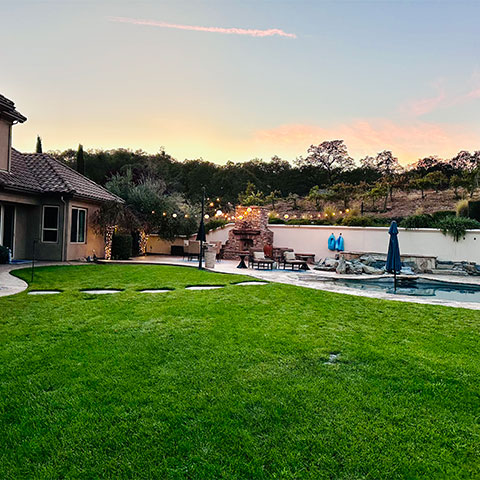
a well groomed green yard with a pool and string patio lights

What We Treat in Our Residential Program in Sacramento

Residential treatment supports recovery when you need more than weekly sessions. Sacramento Wellness builds a plan around your substance use pattern and mental health symptoms. You work on cravings, stress responses, and daily habits while living on campus. You leave with skills and a plan you can use after discharge.

a-female-psychotherapist-attentively-listens-and-c-2025-03-09-07-24-19-utc(1)
Alcohol use disorder

Alcohol use disorder can affect sleep, mood, and decision making. You may use alcohol to manage stress or social pressure. We help you identify what drives drinking in your daily life. You practice coping skills during cravings and conflict. Our team creates a relapse plan tied to your personal triggers and routines.

Opioid use disorder can involve fentanyl, heroin, or pain pills. Cravings can feel urgent and disruptive. We help you identify high risk moments and build safer responses.

You work on urge control skills, stress tools, and recovery support. Our team can also discuss recovery medications if you require further medical support

Some anxiety and sleep medicines can lead to dependence over time. When the dose drops, you may feel panic, shaking, and sleep trouble. Our team supports a slow dose reduction plan when a doctor approves it. You also practice skills to calm anxiety spikes and reduce racing thoughts. We help you build a healthier sleep routine without using benzodiazepine.

Stimulant use disorder can change appetite, sleep, and mood regulation. After stopping, you may feel low energy and restlessness.

You may also face irritability and intense cravings. We help you rebuild a healthy rhythm for meals and sleep. Our team helps you practice methods for impulse control, stress, and relapse prevention.

Polysubstance use involves more than one substance pattern. Alcohol with pain relief pills can raise withdrawal risk. Opioids with stimulants can strain mood and sleep. We review your full use pattern and analyze triggers across each substance type. We build one recovery plan that covers urges and risk with polysubstance use.

Mental health symptoms can drive substance use and relapse risk. Anxiety, depression, trauma symptoms, and mood instability can affect recovery work. We screen mental health needs during residential care. You work on coping skills that target both substance use and mental health symptoms. Our team can also coordinate psychiatric care when you require it.

Support We Provide in Residential Treatment

At Sacramento Wellness, we provide daily residential care with structure and accountability. You stay on campus, follow a routine, and work on recovery. Our team coordinates medical care, therapy, and next step planning during your stay.

In our residential program, you can expect:

  • Daily therapy sessions
  • Relapse prevention education
  • Wellness activities
  • Family counseling
  • Nutritious meals
  • Outdoor time
  • Low client to staff ratio
  • Resource coordination

We Accept Most Insurances

Your recovery should never wait because of coverage questions. Call us to verify your benefits today.

Therapies We Use in Our Residential Treatment Program

green squiggle

Therapy helps you to live a better life once you leave our treatment center. At Sacramento Wellness, we match therapy types to your needs and goals. You practice skills in sessions, then apply them during daily life on campus. Therapy also helps you spot patterns that raise relapse risk and supports healthier choices.

CBT

CBT focuses on the link between thoughts, actions, and outcomes. You learn to spot thought patterns that push use, like all or nothing thinking.

You practice replacing those thoughts with safer, more realistic responses. You also practice planning for high stress moments, so you respond with a skill instead of use.

DBT

DBT helps with emotional regulation and distress tolerance. You practice skills for urges, conflict, and sudden stress. We let you work on mindfulness skills to slow reactions. Our team also helps you practice communication skills for boundaries and repair. These methods support calmer choices during tough moments.

Individual therapy

Individual therapy gives a one to one space for focused work. We set goals based on your needs and timeline. Sessions explore what drives substance use such as conflict, isolation, pain, or loss. The therapy also helps you control hard moments, including urges, anger, and grief.

Group therapy

Group sessions help you learn with others in recovery. You practice speaking up, listening, and sharing feedback. We create a plan for social support and reduce isolation. You also learn problem solving skills through real examples. Groups help you practice new habits with accountability.

Family therapy

Family sessions help repair communication and trust. You and your family learn how addiction affects roles and boundaries. Families also learn what support helps recovery and what support can raise relapse risk. Sessions follow your consent and comfort level. We involve the family after our approval. 

Relapse prevention skills

Relapse prevention focuses on risk planning and daily structure. We identify warning signs and high risk situations. You also practice refusal skills and coping steps for social pressure. These skills support safer choices after discharge.

Our Team

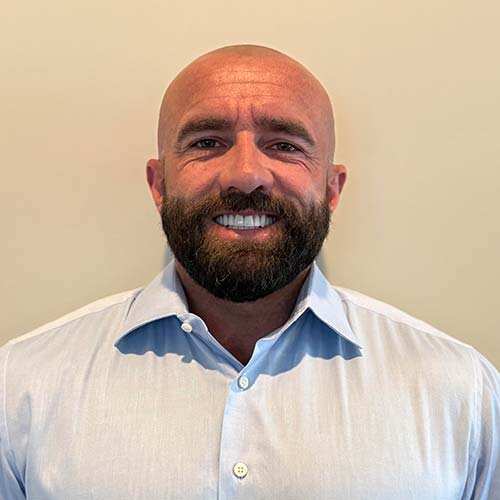
  • Charles Van Leuven
    Charles Van Leuven
    Executive Director
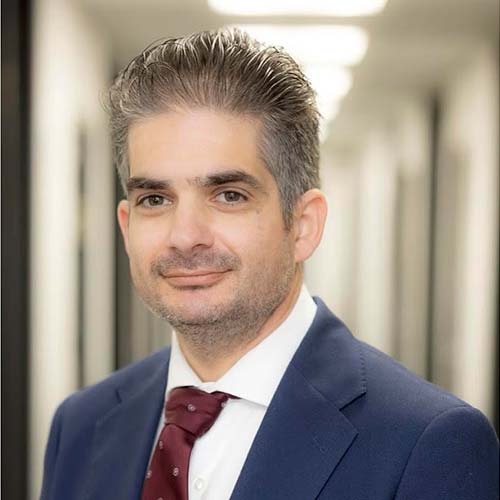
  • Chris Sharghi
    Chris Sharghi
    Program Director
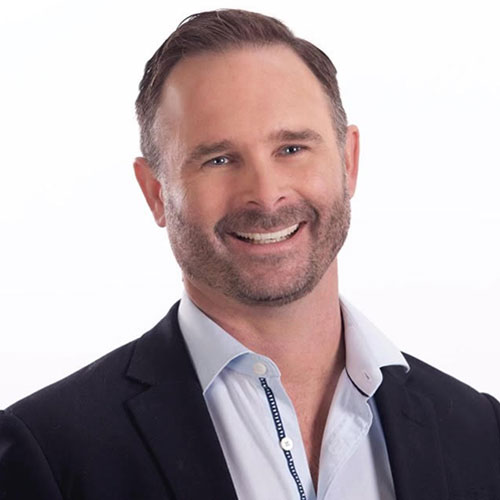
  • Dr. Christian Small
    Dr. Christian Small
    Medical Director

Ongoing Support After Residential Treatment

After residential treatment, Sacramento Wellness helps you continue care without gaps. We review progress from your stay and outline next goals. Our team coordinates step down services as per your needs, schedule, and home supports. We also help with referrals when care continues outside our program.

Ongoing support may include outpatient therapy, IOP, medication follow up, and local recovery meetings. We help plan transportation needs and appointment timing. We also support relapse prevention planning for work, family, and high risk situations.

Why Choose Sacramento Wellness for Residential Treatment

white squiggle

People choose Sacramento Wellness for residential treatment because we provide structured live in care with 24×7 support. Our team combines medical oversight and therapy services in one place. You follow a consistent daily routine that supports recovery skills and healthier habits. We also support privacy, respectful communication, and coordinated planning for care after the program.

Are you ready to overcome withdrawal symptoms? Call us at (877) 359-6760 and our team will assist you with a recovery plan.

grass border

Frequently Asked Questions

What is residential treatment for addiction in Sacramento

Residential treatment gives you live in care during recovery. You stay on site and follow a daily routine. Care includes therapy, recovery skills, and staff support.

Residential care fits people who need more support than weekly visits. It also fits people who face relapse risk at home. Many people choose it after detox.

Length depends on clinical needs and progress. Some people stay for a few weeks. Others stay longer for added skill practice and stability.

The team completes intake and health screening. Staff review substance history and current needs. You receive a day plan and program orientation.

Programs may use CBT, DBT, group therapy, and individual therapy. Some programs add family sessions when you approve involvement. Therapy focuses on coping skills and relapse prevention.

Yes. The team screens mental health symptoms during care. Therapy addresses stress, mood, and coping patterns. The team can coordinate psychiatric support when needed.

Yes. Sacramento Wellness provides residential treatment in El Dorado Hills near Sacramento. The program includes live in care, therapy, and day to day support.

Sacramento Wellness reviews your history and current needs during intake. The team matches you to the right level of care. The team also discusses next step care after residential treatment.

tree with a winding road icon

Related Blogs

For many people, substance use begins as a way to cope with overwhelming stress or past events. Sobriety...

Recovery often begins with a single step: deciding you want something different for your life. But knowing where...

Contact Us Today

Ready to take the first step? Fill out the form below or call us anytime.

This field is for validation purposes and should be left unchanged.
Name*
Charles Van Leuven
Executive Director

Charles Van Leuven is a mission-driven behavioral health entrepreneur and operator with over 12 years of frontline and executive leadership in addiction recovery, mental health, transport logistics, and residential treatment. He is the Co-Founder of Valor Behavioral Health, a 56-bed treatment center dedicated to comprehensive, client-centered care, and the Founder & CEO of National Treatment Transport, one of the nation’s most trusted adolescent transport services, known for safety, professionalism, and discretion.

Charles began his career in the Bay Area, providing direct care services to individuals and families navigating addiction. He went on to found Independence Recovery Coaching, delivering custom detox coordination, sober companionship, and intervention services. As a Founding Board Member of AMATS (Association of Mediation and Transport Services), he continues to lead industry-wide efforts to elevate safety, ethics, and training in adolescent transport.

He holds a Healthcare Management certificate from Cornell University and is a Nationally Certified Recovery Coach II. Across all of his ventures, Charles has supported thousands of families in navigating recovery, placement, and life-saving transitions with care, clarity, and integrity.


Chris Sharghi
Program Director

As the Program Director at Sacramento Wellness, Chris brings not only professional expertise, but also a deeply personal understanding of the journey to recovery. Being a certified alcohol and drug counselor, Chris has experience across all levels of care in the addiction treatment field. His path to recovery has instilled in him a profound empathy and a unique insight into the challenges and triumphs our clients face. Chris is deeply passionate about guiding others on their journey to wellness, driven by the belief that every individual deserves the opportunity to lead a fulfilling, substance free life. His commitment is to provide compassionate, evidence-based care and to empower each client with the tools and support needed for lasting recovery.

Dr. Christian Small
Medical Director

Dr. Small received his medical degree at the University of Hawaii. He completed his medical residency in Psychiatry and Family Medicine at UCSD. He is board certified in Psychiatry, Addiction Medicine, and Family Medicine. Dr. Small is passionate about bringing quality care to patients suffering with addiction.

Education:
University of Hawaii Burns school of medicine, FS3192995 ISSUE DATE 1/29/24