

Accredited By

If you find yourself struggling to stop using drugs or alcohol, you may need a place that offers structure and support. At Sacramento Wellness, we provide residential treatment in Sacramento with licensed, 24/7 medical support to manage withdrawal and keep you safe. You start with an assessment, follow a daily routine, and leave with a step-down plan for ongoing care.

Residential Drug and Alcohol Treatment With 24/7 Support
Residential treatment is a live-in program with staff on site. During early recovery, the team monitors withdrawal symptoms, vital signs, cravings, and sleep shifts. Sacramento Wellness provides 24/7 medical supervision, nursing support, and medication support when appropriate.
Your daily schedule includes group therapy, individual counseling, and learning skills from CBT or DBT to help you manage triggers. We also check for anxiety, depression, and trauma, and adjust your treatment plan as your needs change. Before you leave, we’ll help you plan your next steps, such as PHP, IOP, or outpatient therapy.
Licensed Residential Treatment Near Sacramento
State licensing sets rules for staffing, safety, and care standards. California Department of Health Care Services accredits Sacramento Wellness for residential treatment. Your care follows the required documentation, monitoring, and clinical oversight during withdrawal support.
You start with an assessment and a care plan that may include dual-diagnosis support and step-down planning before discharge.
- DHCS accreditation: California Department of Health Care Services accredits the program.
- Program standards: State requirements cover staffing and safety practices.
- Care planning: Assessment leads to a plan matching symptoms and risks.
- Dual diagnosis support: Screening supports substance use plus mental health needs.
- Step-down planning: Discharge plan connects to PHP, IOP, or outpatient therapy.
- Tour option: Tour Our Facilities page supports program review before you call.


Testimonials
Recovery Stories from Our Clients
24/7 Medical Support to Help You Stabilize
24/7 medical support keeps you stable while your body clears drugs or alcohol. Staff watch withdrawal symptoms, track heart rate and temperature, and step in when tremors, sweating, nausea, or panic spikes show up.
At our Sacramento center, nurses check your symptoms day and night, and keep track of your sleep, appetite, and hydration. Medication is given if needed, based on your doctor’s review and how you respond. Staff watch for side effects, dehydration, and fall risks, and update your care plan as things change. Once your body stabilizes, you can rest, eat, and join in your care.
Who Does Residential Treatment Help?
Residential treatment is helpful if you’ve tried to quit at home but haven’t been able to, or if you don’t feel safe doing it on your own. It’s a good fit if alcohol or drugs are easy to get, cravings are strong, or you don’t have support at home. Our program in Sacramento gives you space from substances, daily support, and time to rebuild healthy routines.
- Repeat relapse: You stop, then return to use within days.
- High-trigger home: Alcohol or drugs stay within reach at home.
- Low sober support: You live alone or with people who use.
- Outpatient not enough: Sessions end, then use starts again.
- Mixing substances: Alcohol plus pills or stimulants in the same week.
- Safety risk: Opioid use or an unknown supply raises overdose risk.
Our Approach to Substance Use Recovery
Recovery takes medical care, learning new skills, and making daily changes. We address both substance use and mental health together in your treatment plan. At Sacramento Wellness, we use MAT and behavioral therapies during inpatient care.
Whole-Person Clinical Care
Substance use often leads to problems with sleep, stress, and mental health. Anxiety, depression, and trauma can make cravings worse and increase risky behavior. We pay attention to mood changes, appetite, and how you function each day. Your care plan is designed to address what causes your substance use and what helps you move forward.
Medication-Assisted Treatment (MAT)
MAT can help ease withdrawal and reduce cravings in early recovery. A clinician will review any changes in your medication and watch for side effects. We also check for interactions with other medicines and adjust your care as needed.
Behavioral Therapies
Behavioral therapies help you understand the habits and thoughts that lead to substance use. Triggers can happen quickly, so you’ll learn coping skills for urges, conflict, and risky situations. DBT skills teach you how to manage emotions, set boundaries, and make safer choices when you’re stressed. Practicing these skills helps you stay on track when cravings come up.
We Accept Most Insurances








What We Treat in Our Residential Treatment Program in Sacramento
At Sacramento Wellness, we help people with alcohol and drug use disorders. Our residential program supports those using one substance or several. We focus on your substance use, your risks, and how you function day to day.
Alcohol
Alcohol use can begin as a habit and become something you rely on every day. Some people drink to help them sleep, ease anxiety, or stop shaking. We treat issues like binge drinking, drinking in the morning, blackouts, and hidden drinking that affects your work and family.
Opioids
Opioids can start by providing relief but often lead to dependence. Using pills, heroin, or fentanyl increases the risk of overdose. Many people use opioids to avoid feeling sick. We help with opioid use related to pain, prescription misuse, or street drugs, and also treat cases where opioids are mixed with alcohol or sedatives.
Stimulants
A prescriber uses medication to reduce withdrawal symptoms or cravings. We track response, side effects, and sleep quality throughout the day. The medical team adjusts doses when needed and reviews drug interactions. Medication support works alongside therapy, group work, and daily skill practice.
Benzodiazepines
Benzodiazepines are often used for anxiety or sleep, but over time, you may need higher doses or experience anxiety when not taking them. We help with dependence on benzos, memory problems, panic attacks, and cases where they’re mixed with alcohol or opioids.
Polysubstance
Mixing different substances can make it hard to know how much you’re using. Some people combine alcohol with pills or use stimulants and depressants together, which can cause unpredictable effects. We treat patterns of using multiple substances, including blackouts and relapses, and also help you understand why you mix them.
Co-occurring mental health needs
Some people use substances to calm panic or numb emotional pain. Feeling down or having upsetting memories can make it hard to sleep. We treat substance use when anxiety, depression, or trauma are also present. You’ll get help for sleep issues, irritability, and feeling isolated, all of which can lead to relapse.

What You Get in Our Residential Program
Our live-in program gives you a daily routine designed for recovery. At our Sacramento center, you’ll have a comfortable living space, meals, and fresh linens. Having a set schedule helps reduce stress and supports healthy sleep and eating habits.
You meet with your counselor and join therapy groups to build coping skills. You can include family sessions only with your consent.
Our staff helps you stay on track with your schedule and monitors your weekly goals. Your plan addresses cravings, triggers, and safety steps you can follow. You can share concerns at any time, and your plan is updated as you make progress. When you leave, you’ll have resources, support contacts, and a plan for your next steps.
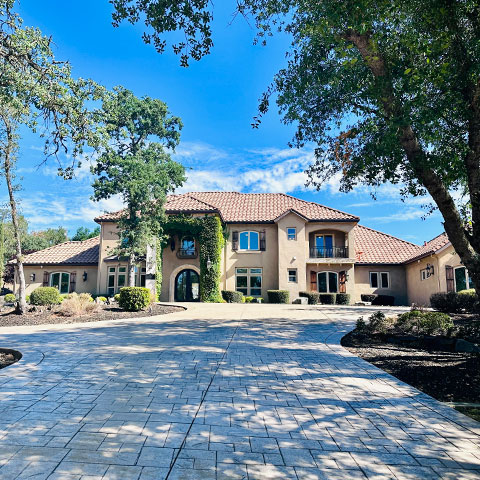
Addiction Rehab Facility Tour



Therapies We Use in Our Residential Treatment
We use proven therapies that help you build practical recovery skills. In our Sacramento residential program, therapy focuses on managing cravings, triggers, and daily decisions. You take part in individual sessions, group therapy, and family meetings if you choose. Each approach helps you stay motivated and improve communication during early recovery.
Cognitive Behavioral Therapy (CBT)
CBT helps you notice the thoughts that influence your actions. You learn to challenge these thoughts with facts and choose safer responses. You’ll also make a plan for handling urges that arise in specific situations.
Dialectical Behavior Therapy (DBT)
DBT teaches you how to handle strong emotions. You’ll practice pausing, breathing, and waiting out urges. Grounding techniques help lower panic, and distress tolerance tools are useful during conflict or when you feel shame. These skills help you manage emotions and support your recovery.
Individual Therapy
Individual therapy provides you with a private space to discuss difficult topics. You’ll set weekly goals and review your progress with your counselor. After each session, you’ll have the next step to work on.
Group Therapy
Group therapy lets you connect with others and get feedback from peers, which helps reduce feelings of isolation. You hear real stories, share your own, and practice honest communication, saying no, and making amends after conflict.
Family Therapy
Family therapy begins when you decide to involve your family. Together, we set boundaries to support your recovery at home. You’ll learn new ways to talk about trust, money, and conflict, and agree on support rules that help reduce enabling and pressure.
Motivational Interviewing
Motivational Interviewing helps you find your own reasons for making changes. You can talk about mixed feelings without judgment. Recovery is connected to what matters to you, like family, work, or health. Each week, you’ll set small, achievable goals and build confidence as you follow through.
What to Expect During Residential Treatment At Sacramento Wellness
When you begin residential treatment at Sacramento Wellness, you follow a daily routine focused on your recovery. You’ll have scheduled therapy sessions, time to practice new skills, meals, and quiet time. You also meet with your counselor to set goals and keep track of your sleep, cravings, and mood.

Throughout your stay, the rules stay the same, and staff are always available to address any concerns. Your treatment plan can be adjusted if your cravings, sleep, mood, or motivation change.
- Daily routine: Set wake-up, meal, session, and rest times.
- Therapy sessions: Individual sessions and group sessions each week.
- Goal tracking: Weekly goals reviewed and updated with your counselor.
- Skills practice: Tools you use between sessions and in real moments.
- Wellness time: Movement, quiet time, and calming skills for stress.
- Family involvement: Sessions and updates only with your consent.
- Care plan updates: We update your plan when needs or symptoms change.
Step-Down Planning After Residential Treatment
We start planning your next steps before you finish inpatient treatment. You’ll leave with appointments, contact information, and a written plan for your first week out. We match your next level of care to your risk of relapse, home situation, and schedule.
Your aftercare plan will include your triggers, warning signs, and steps you can take right away. It will list who to call, where to go, and what to do if cravings come up. We’ll set up a weekly schedule for therapy and recovery support, and arrange medication follow-ups if needed. If you need extra help, we’ll connect you to PHP or IOP and set clear goals for your first week.
Why Choose Sacramento Wellness
Choose Sacramento Wellness if you want a residential team that is organized and reliable. Our California DHCS accreditation supports the required program rules for safety, staffing, and treatment records. You receive care that meets these standards from your first day through discharge planning.
We provide several levels of care in one location, so your treatment stays connected as your needs change. We offer detox, residential, PHP, and IOP options. We also check for anxiety, depression, and trauma, which can affect your recovery.
Our admissions team can check your insurance benefits, explain costs, and go over possible start dates before you decide. You can also take a virtual tour of our facility to see the space and common areas. Call our Sacramento center to talk with our front desk staff.
Areas We Serve

We serve adults in Sacramento and the surrounding areas. Call our admissions team for help with residential treatment, insurance checks, and scheduling your intake.
- Sacramento
- Elk Grove
- Roseville
- Rocklin
- Folsom
- El Dorado Hills
- Rancho Cordova
- Citrus Heights
- Carmichael
- Fair Oaks
- Davis
- Woodland
- West Sacramento
- Auburn
- Placerville
Our Others Treatment Programs
- Alcohol Rehab Program
- Detox Program
- Alcohol Detox Program
- Drug Detox Program
- Inpatient Treatment Program
- Addiction Treatment Program
- Residential Treatment Program
- Dual Diagnosis Treatment Program
- MAT Detox Program
- Partial Hospitalization Program (PHP)
- Intensive Outpatient Program (IOP)
- Rehab Center Programs
- Drug Rehab Program
Frequently Asked Questions
How do I know if I need residential treatment?
Residential treatment is helpful if you haven’t been able to quit at home or don’t feel safe trying. It’s also a good option if alcohol or drugs are easy to access, cravings keep coming back, or you don’t have much support at home. If outpatient care hasn’t worked, residential treatment gives you space, supervision, and daily support.
How long does residential treatment last?
How long you stay depends on your symptoms, safety needs, and progress. Some people need a short stay to get stable and learn the basics, while others need more time to lower the risk of relapse. Your team will look at your sleep, mood, and progress to decide when you’re ready to leave.
What should I bring to residential treatment?
Bring your photo ID and insurance card. Make a list of your current medications and your prescriber’s name. Pack comfortable clothes, sleepwear, and basic toiletries. Write down important phone numbers. Leave valuables at home and bring only what you need each day.
Can you treat mental health symptoms during residential treatment?
Yes, we treat both substance use and mental health symptoms during your stay. We check for anxiety, depression, and trauma, and update your plan if your sleep, mood, or stress levels change.
Do you accept insurance for residential treatment?
Yes, our admissions process begins with checking your insurance before you start. We’ll review your benefits for residential treatment in Sacramento and explain any costs you’ll need to cover. Please have your member ID, date of birth, and policyholder information ready. Admissions will go over costs and next steps before you decide.
What happens after residential treatment ends?
Before you leave, you’ll get an aftercare plan and follow-up appointments. The plan will include warning signs, triggers, and steps you can take right away if you have urges. You’ll also get support contacts, a weekly schedule, and advice on staying connected to care in your community.
Related Blogs
Taking a closer look at your relationship with substances is an important first step toward understanding yourself and...

When someone you love is finally ready to seek help for addiction, every moment matters. That readiness, that...

When you’re ready to take that courageous first step toward healing, you may encounter terms like “luxury rehab”...
Contact Us Today
Ready to take the first step? Fill out the form below or call us anytime.