

Safe and Professional Addiction Treatment Center in Sacramento
Sacramento Wellness provides safe, professional addiction treatment in Sacramento. Our team offers calm, respectful care for people who live with substance use. Each person meets a staff that listens, offers options, and protects privacy.
Medical staff oversee detox to keep the body stable. Nurses track vital signs and respond to withdrawal symptoms in a private room. Residential care includes daily therapy, skill practice, and regular contact with the care team.
People from Sacramento and nearby valley communities can enter care at many points. Some arrive for detox, others begin in residential care. Each person receives focused, evidence based treatment for body, mood, and mind. Care happens in one calm place.

Why Safety and Professional Care Are Important in Addiction Treatment

Safety and skilled care shape every part of addiction treatment. During withdrawal, heart rate, breathing, and mood can change in short periods. A trained team checks health, adjusts care, and speaks in calm. Strong safety focus lowers risk and helps a person stay engaged with treatment.
- Staff check heart rate, breathing, and blood pressure many times each day.
- Team members step in when strong withdrawal symptoms appear or grow stronger.
- Medical staff give medicine in safe doses and watch effects through the day.
- Clinical staff move a person to higher care when signs grow severe.
- Safety rules limit falls, self harm, or unsafe choices during care.
- Families place more trust when they see strong health checks and timely action.

A Respectful Approach to Addiction and Recovery
Every person in addiction treatment has a life beyond substance use. Staff at our addiction treatment center in Sacramento talk with each person in a direct, respectful way. They focus on health, safety, and current needs during each contact.
Staff listen to worries, goals, and past events before they plan care. Private rooms and quiet areas help the person stay at ease during talks. Team members ask about visitors, daily routine, and comfort level during the stay. Each care plan builds from what the person values in recovery.
Respect in care helps people share more truth during treatment. When they sense safety and privacy, they share details that support safer plans. Trust grows between staff, clients, and families, and that trust helps people stay in treatment.
What Makes Sacramento Wellness Different
Sacramento Wellness provides addiction treatment in Sacramento across detox and live in care. We also offer mental health support and aftercare. People stay at the same center as their needs change. The campus stays quiet and private so people can focus on care.

- Detox, live-in care, and aftercare run inside the same center.
- Staff stay on site day and night for support.
- Therapists and medical staff work together on each care plan.
- Dual diagnosis care addresses depression, anxiety, or trauma with substance use.
- Private rooms and small groups support calm, focused work.
- Family meetings show loved ones how to support themselves at home.
- Aftercare plans link people with local care and peer support.
Care at Sacramento Wellness builds habits people can use in daily life. Staff help each person plan for sleep, stress, work, and support so progress can continue after discharge.
Addiction Rehab Facility Tour




Types of Addiction We Treat
Sacramento Wellness provides addiction treatment in Sacramento for adults who use many kinds of substances. Our programs include safe detox and live in care for alcohol, opioids, stimulants, and prescription medicines, with medical oversight and respectful support at each stage.
Alcohol Addiction
Many clients come to us after long periods of heavy drinking. Our alcohol detox program includes supervised withdrawal, assessment of liver and heart health, and daily sessions that address cravings and drinking patterns. We also work on sleep, mood, and daily habits that help a person stay away from alcohol.
Opioid Addiction
Opioid addiction includes use of drugs such as fentanyl, oxycodone, morphine, and similar medicines. Many people feel strong body pain, sweats, stomach problems, and intense urges to use more. Our medical staff manage opioid withdrawal on site and adjust approved medicines. Counselors also work on pain history, trauma, and relapse risk in one to one and group sessions.
Heroin Addiction
People who use heroin often describe daily cycles of seeking, using, and withdrawing. Street supply changes, mixing with other drugs, and injection or smoking patterns increase medical risk. Our team provides monitored withdrawal care, uses medication support where appropriate, and builds a schedule around sleep, food, and contact with supportive staff.
Prescription Painkiller Addiction
Prescription painkiller addiction frequently begins with treatment for injury or surgery and grows as doses rise or refills increase. We review current prescriptions, pharmacy records when available. Medical staff build safe dose changes or detox plans. Clinical staff then teach pain coping methods, body awareness, and stress management that reduce reliance on pills.
Methamphetamine Addiction
Methamphetamine use disrupts sleep, appetite, and thinking. Many clients tell us about long nights awake, missed meals, weight loss, and conflict at home or work. During admission, we focus on calming the nervous system with rest, food, and mental health support. As stability returns, groups and individual sessions address impulsive use, mood shifts, and social situations tied to meth.
Cocaine Addiction
Cocaine addiction frequently shows up as short, intense binges with sharp drops in mood and energy. People report spending large sums of money, losing sleep, and feeling tense or restless even when they stop for a short time. Our staff monitor heart rate, blood pressure, and anxiety during early stabilization.
Benzodiazepine Addiction
Benzodiazepine medicines such as Xanax, Valium, and related drugs help some people with anxiety or sleep, yet long use can lead to dependence. Sudden dose changes raise risk for panic, shaking, or seizures. At Sacramento Wellness, medical staff set gradual dose changes or detox steps and track symptoms closely.
Prescription Drug Addiction
Other prescription drugs, including sleeping tablets, sedatives, and ADHD medicines, can also lead to addiction. Our team looks at every medicine a client takes, including over the counter products and supplements. Together we plan safe changes, detox when needed, and long term medication safety with medical providers in the community.
Polysubstance Addiction
Polysubstance addiction involves use of more than one drug in the same period, such as combining alcohol, opioids, benzodiazepines, or stimulants. Mixed use increases overdose and medical risk. Our staff complete a detailed history that covers each substance, route, and timing. Medical and clinical teams then design detox and rehab plans that consider drug interactions, mental health needs, and physical safety at every stage.

Our Addiction Treatment Programs in Sacramento
At Sacramento Wellness, addiction treatment in Sacramento covers each stage of care. We offer medical detox, residential treatment, dual diagnosis support, and planning for life after discharge so people move through treatment with one clinical approach.
Medical Detox
Medical detox supports people with physical dependence on alcohol, opioids, or other drugs. Our medical team checks vital signs on a regular schedule and manages withdrawal symptoms with approved medicines when they add safety. Nurses stay close to each client during detox. Staff then help the person move into the next level of care once the body stabilizes.
Residential Treatment
After detox, many clients stay in our residential program. They sleep on campus, share meals, and attend group and individual sessions each day. The schedule includes education about substance use, coping skills practice, and support around family, work, and school roles. Staff remain present at all hours so clients stay safe and supported in care.
Dual Diagnosis Support
Some clients live with substance use and mental health concerns at the same time, such as depression, anxiety, trauma history, or mood swings. We look at these needs during admission and throughout the stay. Therapists and medical staff coordinate therapy, medication plans, and daily support. The goal is a stable mood, safer choices, and stronger progress in treatment.
Life Skills and Aftercare
Recovery continues after a person leaves residential care. Staff work with each client on a plan for home, work, school, and social life in the Sacramento area. Plans can include relapse prevention strategies, outpatient counseling, peer support groups, or links to sober housing. Our team keeps focus on daily routines and skills that support long term change.

Testimonials
Recovery Stories from Our Clients
Our Approach to Drug Addiction Treatment
At Sacramento Wellness, we take a personalized approach to drug addiction treatment. It combines proven methods with compassion. We treat the person by addressing underlying issues. Our team focuses on creating practical skills for long-term recovery.
What to Expect During Addiction Treatment at Sacramento Wellness
Each day in treatment follows a calm, planned routine. You meet staff, attend sessions, and have time to rest. The day keeps attention on your health and limits contact with calls, demands, and other stress.

A day can include:
- One to one sessions with a counselor to review progress and goals.
- Small therapy groups on addiction, coping skills, and peer support.
- Education time on substances, withdrawal, mental health, and safe choices.
- Skills practice for cravings, stress, sleep habits, and boundaries.
- Wellness activities such as walks, light exercise, or breathing work.
- Quiet time for reading, journaling, or rest between sessions.
- Regular check-ins with the care team to adjust plans and answer questions.
Staff keep the day predictable so you know what comes next. A planned schedule supports safety and progress while you stay in treatment.
Who We Help on the Addiction Recovery Journey
We help adults in Sacramento and nearby valley communities who live with substance use. Some use alcohol, opioids, stimulants, or prescription medicines and face strain at home, work, or in health. People reach out when use starts to drive days, choices, and mood.
We admit people at many points. Some call before withdrawal symptoms grow stronger. Others arrive after a hospital stay or concern from family. We speak with each person or family member to match needs with an appropriate level of care.
- Daily heavy use : adults who drink or use drugs on most days and need supervised care to stop safely.
- Withdrawal risk : people who report sickness, shaking, or anxiety when use drops between doses.
- Co-occurring symptoms : people with substance use plus depression, anxiety, trauma history, or mood swings who require joined support.
- After previous treatment : people who tried rehab or detox before and now seek calm, clinical care in Sacramento.
- Step down from hospital : people who leave an emergency room, hospital unit, or detox center and need longer support.
- Family supported entry : loved ones who call to arrange help for a partner, parent, or adult child.
- Work and home strain : adults who want treatment while planning a safe return to family life and job duties.

Aftercare Planning for Dual Diagnosis Treatment
When you contact Sacramento Wellness, you speak with an admissions team member who works at an addiction treatment center. We ask about substances, recent use, medical issues, and mental health concerns. We also ask about safety, including self harm or overdose risk.
During pre admission, we gather details about health history, medicines, past treatment, and recent hospital stays. Our team then decides which level of care at Sacramento Wellness fits your needs or if a different service suits you better. When admission fits here, we set an arrival time, review costs and coverage, and prepare nursing and medical assessments for the day you arrive.
Our Team
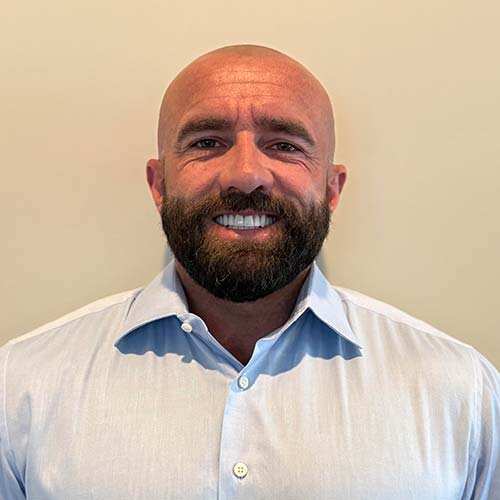
-
 Charles Van LeuvenExecutive Director
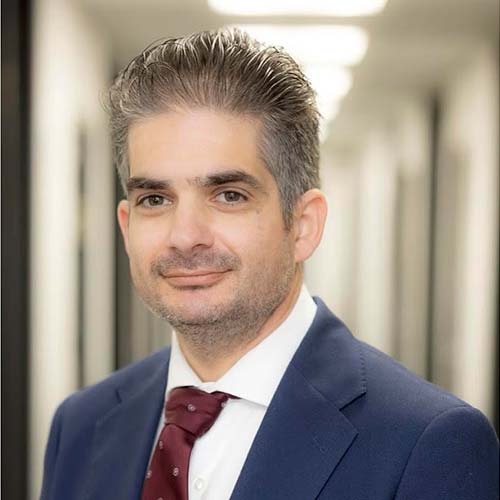
 -
Chris SharghiProgram Director
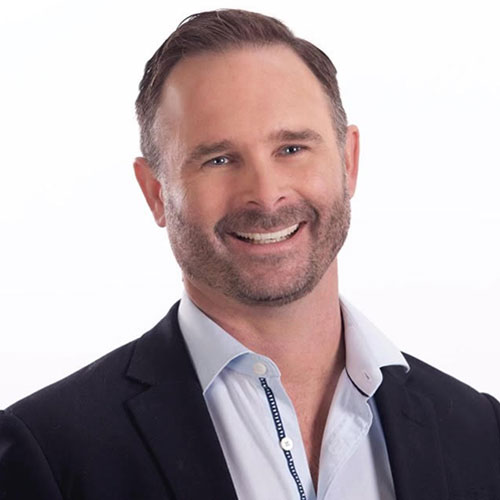
-
Dr. Christian SmallMedical Director
Who Can Benefit from our Addiction Treatment Program

Our addiction treatment program serves adults who:
- Live with ongoing alcohol or drug use or physical dependence
- Tried to stop use and returned to substances again
- Have depression, anxiety, trauma, or other mental health symptoms with substance use
- Want a calm, private place with medical and therapeutic support
- Are unsure how to start treatment or which level of care fits
If you want addiction treatment in Sacramento with respectful, evidence based care, you can contact Sacramento Wellness to discuss options.
When to Contact an Addiction Treatment Specialist
Contact an addiction treatment specialist when substance use starts to change your health, work, or relationships. Strong cravings, using more than planned, or needing substances to get through the day signal a need for help. Early contact gives more options for safe care.
A call also makes sense when you wake with shakes, sweating, or nausea after heavy use. Chest pain, trouble breathing, or trouble thinking require emergency care through 911 or the nearest emergency room. A specialist helps decide if detox, residential care, or another level fits.
Families can also reach out when they see changes such as missed work, mood swings, or withdrawal from friends. A specialist listens, asks about safety, and suggests next steps. The aim stays the same: protect health and move the person toward safer care.
Long-Term Support and Aftercare Planning
We start planning your long term support before you leave residential care. Together, we map out an aftercare plan that fits your life. That plan can include relapse prevention work, outpatient counseling, peer groups, and housing options. We also talk through sleep, stress, work, and family so daily life supports recovery.
Your plan usually links you with primary care doctors, therapists, and community programs. After you leave, our team checks in through calls or visits and adjusts the plan when warning signs appear. We keep focus on skills, support, and routine so progress in treatment shows up at home.
Our Others Treatment Programs
- Alcohol Rehab Program
- Detox Program
- Alcohol Detox Program
- Drug Detox Program
- Inpatient Treatment Program
- Inpatient Alcohol Treatment
- Residential Treatment Program
- Dual Diagnosis Treatment Program
- MAT Detox Program
- Partial Hospitalization Program (PHP)
- Intensive Outpatient Program (IOP)
- Rehab Center Programs
- Drug Rehab Program
Begin Your Recovery at Sacramento Wellness

Life with alcohol or drug use grows heavy for health, mood, and family. At Sacramento Wellness, a calm, professional team listens to your story and responds with care. You meet people who focus on safety, respect, and focused support.
Some people call for a first step into treatment. Some arrive after past detox or rehab. Our Sacramento addiction treatment center offers tools, daily contact, and clinical care to help you move toward change.
Reach out to our team to ask questions, review options, and plan a safe path forward. One call or message starts the next part of your recovery.
