

Accredited By

Sacramento Wellness provides dual diagnosis treatment in Sacramento for adults with co-occurring needs. We focus on both mental health symptoms and substance use patterns. We start the process with screening and a full assessment. Our medical care team uses evidence based therapies and relapse prevention skills. We use CBT, DBT, MI, and trauma informed therapy.
We Treat Mental Health and Addiction Together in Sacramento
Our Dual Diagnosis Treatment in Sacramento focuses on how mental health and substance use affect each other. We work with one team that tracks both issues. The team prioritizes safety, daily function, and relapse risk in the same plan.
Alcohol and drug use can link with anxiety, depression, trauma, bipolar symptoms, and panic. When symptoms rise, urges rise too. Our program targets both patterns at once. Therapy builds coping skills. Medication review supports stability when you require. Group therapy builds routine, focus, and peer support.
We coordinate therapy, psychiatric care, and recovery planning in one plan. Our medical team tracks progress each day and adjusts goals as you improve. We can include family sessions when it supports recovery goals.

California DHCS Licensed and Certified Dual Diagnosis Program

At Sacramento Wellness, our Dual Diagnosis Treatment Sacramento program follows California DHCS licensing and certification requirements. California DHCS holds authority to certify and monitor outpatient alcohol and other drug programs. It also licenses residential SUD facilities. We align our operations with state program standards and compliance expectations.
DHCS runs oversight through its Licensing and Certification Division and it investigates complaints about alcohol and drug programs. We keep required documentation, update policies, and support safety practices that match DHCS requirements. Your care follows state program standards and compliance rules

What is Dual Diagnosis
Dual diagnosis describes a person who has substance use and a mental health disorder at the same time. You may use alcohol, opioids, or stimulants while you also face depression, anxiety, PTSD, bipolar symptoms, ADHD, or OCD. When mood drops, cravings of substance use may rise. Sleep and focus can worsen when you increase substance use.
Dual diagnosis care looks at both conditions during screening and assessment. It reviews symptom history, substance use patterns, withdrawal risk, medications, and safety concerns. Treatment includes therapy and skills training. It also includes medication management based on clinical evaluation and relapse prevention planning. A dual focus can reduce missed symptoms, reduce relapse risk, and improve daily function at home, work, and school.
Who we help with dual diagnosis treatment
Dual diagnosis describes a person who has substance use and a mental health disorder at the same time. You may use alcohol, opioids, or stimulants while you also face depression, anxiety, PTSD, bipolar symptoms, ADHD, or OCD. When mood drops, cravings of substance use may rise. Sleep and focus can worsen when you increase substance use.
Dual diagnosis care looks at both conditions during screening and assessment. It reviews symptom history, substance use patterns, withdrawal risk, medications, and safety concerns. Treatment includes therapy and skills training. It also includes medication management based on clinical evaluation and relapse prevention planning. A dual focus can reduce missed symptoms, reduce relapse risk, and improve daily function at home, work, and school.
Alcohol or drug use with anxiety or depression
You may drink or use substances when worry rises or mood drops. It can lead to insomnia and increase cravings. Our team works with you on coping skills. We teach coping skills for worry, low mood, and cravings.
Trauma symptoms with substance use
We help people with trauma symptoms such as panic and fear. Trauma symptoms along with substance use can worsen your daily routine. People use substances to overcome their past trauma. Our medical care team builds safer options to manage trauma symptoms without using substances. You practice skills you can use at home, work, and in social situations.
Bipolar symptoms with stimulant or alcohol use
Bipolar symptoms such as mania and depression can raise risk for alcohol or stimulant use. Stimulants can worsen agitation, negative thoughts, and insomnia. Alcohol can worsen depression and reduce impulse control. We monitor mood changes, sleep hours, and energy level changes each day.
Polysubstance use with mental health symptoms
Using different substances can create uneven symptoms across the day. Your mood may swing from panic to numbness. At night, you may feel restless. We help you track patterns across sleep, food, stress, and substance use.

Testimonials
Recovery Stories from Our Clients
Common Dual Diagnosis Conditions We Treat
At Sacramento Wellness our dual diagnosis treatment in Sacramento treats people dealing with alcohol or drug use along with mental health concerns. Trauma symptoms may rise while alcohol or drug use continues.
We start by analyzing what happens before, during, and after substance use. Our team monitors changes in mood, thinking, and daily routine. We build a plan that includes counseling, skills practice, and psychiatric review.
Dual diagnosis treatment we treat at Sacramento Wellness:
Major Depressive Disorder MDD
Depression can drain drive and slow your day. Getting out of bed can even take effort. You may skip meals or miss showers. Depression can increase risk for alcohol or drug use. Alcohol and substance use can worsen the symptoms. We help you track your mood shifts and daily habits. You practice skills for daily routine, sleep support, and to control negative thoughts. We also plan further steps for the hours when urges rise.
Generalized Anxiety Disorder GAD
Anxiety can make your brain stay on alert. You may think something bad will happen. Your shoulders, jaw, or stomach may stay tight. Alcohol can lower stress at first, but anxiety issues can come back later. Stimulants can raise jitters and anger.
We help you notice the first signs before anxiety grows. Our team helps you practice calming skills in sessions and in groups. We also help you decide what to do when stress hits at night or work.
Post Traumatic Stress Disorder PTSD
PTSD can involve flashbacks, nightmares, and intense fear reactions. You may avoid places, sounds, or people linked to past trauma. Stress can rise fast in crowded places, during conflict, or with loud sounds.
Some people use substances to numb fear or shut down memories. Substance use can also raise anger and sleep disruption later. We help you build skills for grounding, safety cues, and body regulation. You track triggers and plan safer responses during high stress.
Bipolar I and II
Bipolar disorder can cause big changes in mood and energy. Some days you may feel energetic and full of energy. You may sleep less and make impulsive decisions that you later regret.
Other days you may feel down and want to stay alone. Alcohol can make the low mood worse. Stimulants can increase agitation and disrupt sleep. We monitor your sleep, mood, and energy each day. Our care team builds a routine that supports rest. You also learn early warning signs so you can get help sooner.
Obsessive Compulsive Disorder OCD
OCD can make you worry about things again and again. You may feel forced to do a certain action on repeat to calm down. You may check, wash, or repeat words in your head. It can take over your day. Alcohol or drugs can look like relief, but it does not fix the problem. We help you learn what OCD looks like for you. Our team helps you practice pausing the ritual and using coping skills.
Borderline Personality Disorder BPD
Borderline Personality Disorder (BPD) can create affective instability, impulsivity, and fear of abandonment. Stress in relationships can raise urges to drink or use drugs. Alcohol or drugs can lower inhibition and increase crisis risk.
We teach emotion regulation and distress tolerance skills, drawn from DBT, while you build craving control skills. You practice calming skills before calls, texts, or arguments. Our team also reviews symptoms and plans the treatment process as required.
Attention Deficit Hyperactivity Disorder ADHD
Attention Deficit Hyperactivity Disorder ADHD can make it hard to focus and follow a routine. You may start a task, then get distracted by something else. You may forget steps, lose items, or miss time cues. Impulsivity can also make cravings harder to resist. Some people use alcohol or drugs to calm restlessness or try to focus.
Substance use can then disrupt sleep and make attention worse. We help you build a daily routine you can repeat. You practice short task plans, reminders, and break times. You also learn ways to limit distractions and lower relapse risk.

Our Dual Diagnosis Assessment Process
At Sacramento Wellness, our dual diagnosis treatment assessment begins with a psychiatric evaluation and clinical analysis. A counselor talks through current symptoms, substance use history, past trauma, and prior treatment. Our team reviews your medication list and past diagnoses. We also screen for urgent concerns such as suicidal thoughts, self harm, or psychosis. This evaluation helps us build a safety plan when needed.
Next, we combine results from interviews, standardized screens, and history into one integrated care plan. We match you to the right level of care and make goals for symptoms and substance use. Our case management team tracks progress, supports crisis needs, and prepares a follow up plan before you leave. We update recommendations as new medical details show up during treatment.
Tour Our Facilities
Our peaceful residential campus provides safety, privacy, and comfort to focus fully on healing.




What Our Dual Diagnosis Program Includes
Our dual diagnosis treatment addresses mental health symptoms and substance use needs within one care plan. We use your intake results to identify symptoms, risk level, and clinical priorities for care. Our weekly schedule includes therapy sessions, skills practice, and clinical check-ins to support stability. We track mood, sleep, cravings, and relapse warning signs so the plan can be adjusted when needed.
Program elements include:

Psychiatric evaluation and diagnosis
You meet our professional care team who reviews symptoms, past diagnoses, and treatment history. We discuss trauma history, sleep patterns, and current risks. The team uses medical findings to guide next steps and level of care.
Personalized treatment plan
The team writes goals based on your symptom picture and substance use pattern. We review goals early and adjust targets as we notice progress in treatment. The plan stays consistent across mental health care and addiction care tasks.
Individual counseling
You meet one to one with a therapist to discuss your issues. Our dual diagnosis sessions cover triggers, coping skills, and relapse risk points. You practice coping skills that match your daily life and your high risk moments.
Group counseling
Group counseling builds practice time with skills and peer feedback. You work on communication, boundaries, and stress response. The group format also reinforces routine and follows through between sessions.
Medication management when appropriate
Our medical care team reviews psychiatric medications and treatment responses. The team monitors side effects, symptom change, and safety concerns. You also review how medications interact with recovery goals and daily function.
Evidence based therapy methods
During our session we use CBT, DBT, and trauma focused approaches . You practice skills during treatment and apply them to control cravings, conflict, and stress. The team reinforces skill use through repetition and feedback.
Family sessions when appropriate
Family sessions focus on what happens at home after treatment hours. You review conflict patterns that raise anxiety or cravings. You leave with a concrete plan that supports follow through.
Therapies We Use in Dual Diagnosis Treatment
Dual diagnosis care uses therapy methods that support both addiction and mental health symptoms. You work on cravings and symptoms in the same week. We choose approaches that match diagnosis, risk level, and learning style. Sessions teach skills then you use them in daily life. Our team checks progress and adjusts focus as symptoms change.
CBT
We use CBT as a core therapy in dual diagnosis treatment. We analyze the trigger thought behavior cycle tied to substance use and symptoms. We work on cognitive reframing and coping skills for high risk situations. You practice problem solving steps and urge management tools. We also use behavioral activation to reduce isolation and support healthy routines.
DBT
Our team uses DBT to support emotion regulation and impulse control. You practice mindfulness to notice urges without reacting right away. We teach distress tolerance skills for panic, anger, and shame. You build skills for interpersonal effectiveness, including boundaries and conflict repair. We also work on crisis planning for high risk moments.
Trauma-informed therapy
Trauma symptoms can affect sleep, startle response, and stress reactivity. Our trauma informed approach starts with safety and stabilization.
You learn grounding skills and nervous system calming tools. We move at a pace that protects control and consent. When your symptoms stay under control, we begin trauma processing. We move step by step to reduce relapse risk.
Motivational Interviewing (MI)
Some people want change but also fear it. MI helps when you feel split between staying the same and moving forward. We use reflective listening and open questions to bring out your own reasons for change. Our counselors connect choices to values like health, family, work, and safety. We review barriers and adjust next steps.
Relapse prevention skills
Relapse prevention focuses on what happens before you return to substance use. We identify warning signs and high risk situations. Our medical care team looks for patterns like insomnia, conflict, isolation, and cravings.
You practice urge surfing, refusal skills, and exit plans for risky places. We also build a crisis step list for mental health symptom spikes. Your plan includes support contacts and actions you can take the same day.
Family therapy when appropriate
Family therapy can help when home stress affects symptoms and use. You decide who joins based on safety and trust. Our sessions focus on boundaries, communication, and roles at home. We address enabling patterns and conflict cycles that raise relapse risk.
You practice direct requests and calm limits. We also align home routines with aftercare steps, follow up visits, and support meeting plans.
Our Team
-
 Charles Van LeuvenExecutive Director
 -
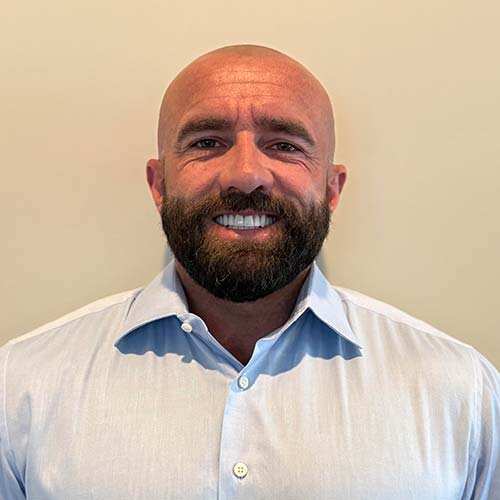
Chris SharghiProgram Director
-
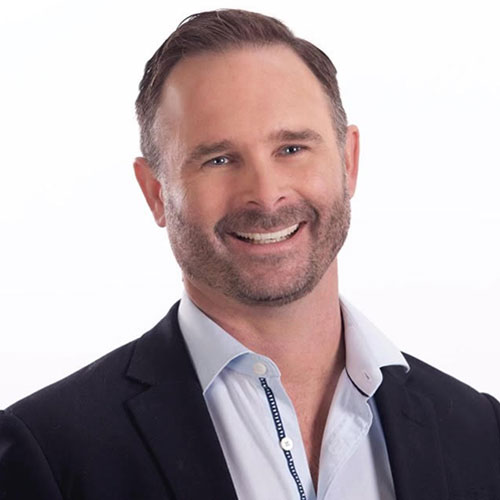
Dr. Christian SmallMedical Director

Levels of Care for Dual Diagnosis Treatment
Levels of care determine how much medical support you receive. Our dual diagnosis treatment program in Sacramento starts with withdrawal care. Then you move into a live-in phase for psychiatric care and therapy. Sacramento Wellness uses placement based on withdrawal severity, medical history, and mental health risk. You can step up or step down as your condition changes.
Detox for stabilization
Detox supports your body during early withdrawal. You stay on site while medical staff check vital signs and withdrawal symptoms. We monitor shaking, sweating, nausea, agitation, and confusion symptoms. The medical team adjusts care when symptoms change. We also monitor higher risk complications such as seizures or hallucinations.
MAT detox when appropriate
MAT detox uses FDA approved medications during detoxification. Medication Assisted Treatment can reduce withdrawal intensity and cravings. Opioid withdrawal may involve buprenorphine or methadone. Alcohol withdrawal may involve acamprosate or benzodiazepines when a provider selects them.
Inpatient treatment
Inpatient treatment helps with 24×7 medical supervision. You live at the facility and receive ongoing support for addiction care and psychiatric care. The care team coordinates therapy, medication support, and daily check-ins during the stay. Inpatient care fits moderate to severe substance use disorder, repeated relapse history, or co-occurring mental health disorders. We help you prepare for next services after inpatient care ends.
We Accept Most Insurances
Your recovery should never wait because of coverage questions. Call us to verify your benefits today.








Aftercare Planning for Dual Diagnosis Treatment
At Sacramento Wellness, we start aftercare planning early for dual diagnosis treatment. You choose the supports we use in the Sacramento area. We prepare outpatient follow up and community support networks, so you leave with an appropriate care plan.
We build a written schedule for your next appointments and follow up check ins. You get a list of warning signs for symptom flare ups and return to use urges. We also add a response list with contacts and actions for the same day. Our team aims for continuity of care from detox through your exit date.
Why People Choose Sacramento Wellness for MAT Detox

People choose Sacramento Wellness because we provide medically supervised care. Our team stays present 24×7 during MAT detox. We provide a structured detox plan, medication support as per your symptoms. Our program supports privacy, calm space, and respectful communication. We also coordinate next step care within our programs, including residential treatment and inpatient rehab. Our support continues after detox.
Call (877) 359-6760 to start intake for MAT detox in Sacramento. You can also visit us at 2011 Kaila Way, El Dorado Hills, CA 95762. We are here to help you overcome substance or alcohol withdrawals.

Our Others Treatment Programs
- Alcohol Rehab Program
- Detox Program
- Alcohol Detox Program
- Drug Detox Program
- Inpatient Treatment Program
- Inpatient Alcohol Treatment
- Residential Treatment Program
- Addiction Treatment Program
- MAT Detox Program
- Partial Hospitalization Program (PHP)
- Intensive Outpatient Program (IOP)
- Rehab Center Programs
- Drug Rehab Program
Frequently Asked Questions
What is dual diagnosis treatment in Sacramento
Dual diagnosis treatment treats a mental health disorder and a substance use disorder at the same time. It uses one coordinated plan so symptoms and substance use patterns get addressed together.
Who should consider Dual Diagnosis Treatment Sacramento
You may be a fit if you have a mental health diagnosis and alcohol or drug use that keeps causing problems. It also fits if symptoms worsen when you stop using, or if relapse happens after prior treatment.
What mental health conditions are treated in dual diagnosis care
Common conditions include depression, anxiety disorders, PTSD, bipolar disorder, OCD, ADHD, and borderline personality disorder. The care plan matches your diagnosis, symptoms, and risk level.
How do I know if I have a dual diagnosis
Many people see both mental health symptoms and substance use problems, but do not know which came first. A clinical assessment reviews symptoms, use history, medications, and safety risk to confirm needs.
Does dual diagnosis treatment include detox
Some people need detox first due to withdrawal risk. Detox level depends on substance type, withdrawal severity, and medical history.
Do you offer inpatient dual diagnosis treatment
Programs may include inpatient care at our center to support safety and structure. Inpatient care can help when symptoms are severe, relapse risk is high, or home support is limited.
What happens after dual diagnosis treatment ends
Aftercare planning prepares next steps such as outpatient therapy, psychiatry follow up, and community support. A plan also lists warning signs and what to do if symptoms return.
How do I start dual diagnosis treatment at Sacramento Wellness
Start with an intake. The team reviews symptoms, substance use history, and safety needs, then recommends the right level of care and start date.
Related Blogs

Many people drink to calm stress or quiet anxious thoughts. At first it feels like relief, but the...

In Sacramento County, about 300,000 people live with a mental health condition, according to local health data. Many...

Addiction rarely exists in isolation. Many people living with substance use disorders also face mental health challenges like...
Contact Us Today
Ready to take the first step? Fill out the form below or call us anytime.