

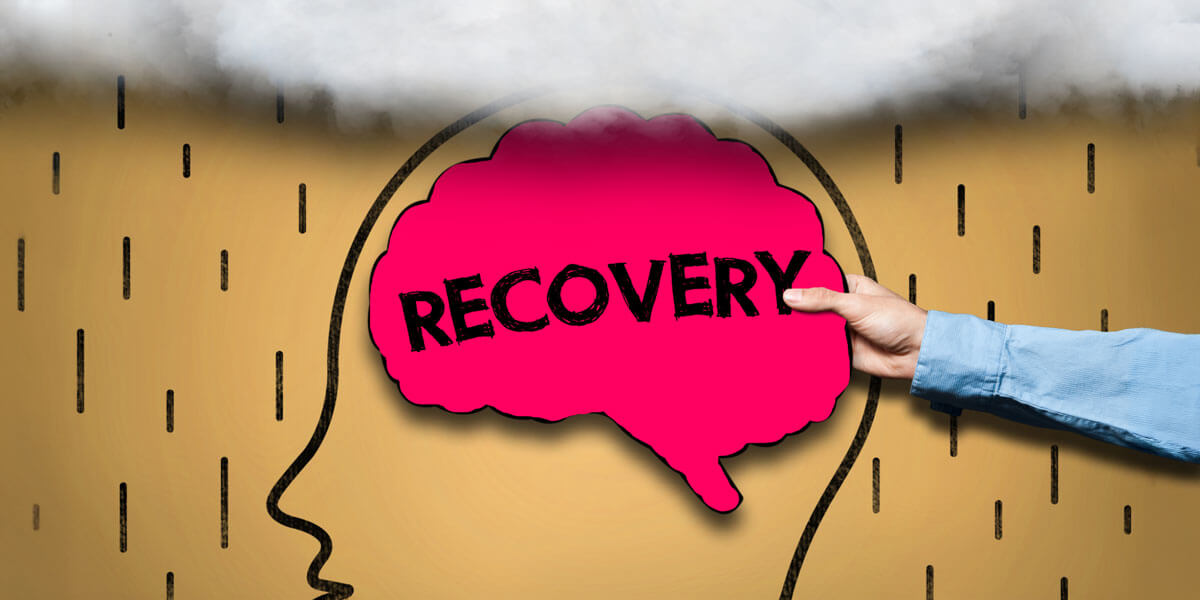
Understanding how past pain affects the brain and leads to addiction is key to finding the real causes, not just the surface symptoms. Trauma-informed care focuses on how difficult experiences affect the body, helping to break unhealthy coping patterns for good.
If you are looking for alcohol addiction treatment in Sacramento, working through hidden emotional pain is the first step to real recovery. Healing these inner wounds helps prevent relapse, soothes your nervous system, and restores emotional balance.
Why Traditional Addiction Treatment Falls Short
Many traditional rehab programs use strict rules that focus more on following instructions than on real care. For someone with a trauma history, these settings can feel harsh and may accidentally trigger strong stress reactions or even cause more trauma.
Collaborative, empowerment-based stabilization models prioritize psychological safety. These clinical frameworks focus entirely on establishing secure boundaries of trust between clients and clinicians. This supportive approach treats you as an active partner in your own healing journey rather than a number on a chart.
Modern trauma-informed centers give you clear choices and keep routines steady, so you know what to expect each day. Staff watch for physical triggers and talk openly with you, making sure you feel safe, listened to, and in charge of your recovery.
Core Disruption: How Trauma Undermines Lasting Sobriety
When trauma is not addressed, it can cause emotional and physical turmoil, making it very hard to stay sober without proper help.
Severe Somatic and Emotional Dysregulation
Clinicians track physical signs of anxiety, sudden panic attacks, and intense mood swings. By identifying the exact bodily signals of a trauma response, the care team can introduce calming tools and physical grounding exercises before intense stress overwhelms your ability to think clearly.
Complex Intrusive PTSD Symptoms
Living with past trauma often causes sudden flashbacks, painful nightmares, and a strong desire to avoid certain places or topics. These deep survival responses disrupt your daily thinking, complicate simple decisions, and make it incredibly hard to manage normal daily responsibilities.
Maladaptive Self-Medication Behaviors
Many people use alcohol or drugs to quiet painful memories, racing thoughts, and emotional triggers. To find lasting sobriety, a clinical team must help clear these physical dependencies by addressing the underlying emotional pain the substances were trying to numb.
Severe Interpersonal Relational Erosion
Deep emotional wounds naturally cause people to isolate, struggle with trust, and set unstable boundaries at home. To keep your recovery on track, therapy focuses on gently breaking down these defensive walls so you can safely welcome supportive relationships back.
Chronic Internalized Toxic Shame
Trauma leaves behind a heavy weight of self-loathing and emotional numbness. Gentle, non-judgmental tracking helps identify these complex mental blocks, allowing you to change how you view yourself and stop the self-destructive loops that fuel addiction.
Targeted Therapies: Healing Mind and Body Simultaneously
True recovery requires proven therapeutic methods that heal both the mental patterns and the physical toll left behind by trauma.
- Cognitive Behavioral Therapy (CBT) helps identify and change painful, distorted beliefs about yourself that were caused by past trauma.
- Dialectical Behavior Therapy (DBT) focuses on teaching practical distress tolerance and emotional control skills to handle intense daily cravings.
- Eye Movement Desensitization and Reprocessing (EMDR): A specialized brain-focused therapy that helps process and take the pain out of traumatic memories safely.
- Coordinated Group Processing Circles designed to end emotional loneliness, encourage healthy vulnerability, and build deep trust with peers.
- Somatic Experiencing Techniques: Gentle body-focused exercises that help release and clear trapped stress directly from the nervous system.
The Long-Term Recovery Benefits of Treating the Root Cause
By looking beyond surface behavior and healing underlying psychological wounds, you open the door to significant changes that sustain a sober life.
- Lowering Relapse Risks: Removing the internal emotional triggers and sudden flashbacks that usually cause intense cravings.
- Building Healthy Coping Skills: Swapping out old self-medicating habits for reliable grounding tools and positive stress management methods.
- Mending Close Relationships: Fixing damaged family connections through open communication, better listening, and honest emotional vulnerability.
Selecting a Trauma-Informed Center in Sacramento
At Sacramento Wellness, we coordinate your entire recovery path under one quiet roof, keeping your care consistent as your health needs change.
- Verifying your treatment takes place in a single, calm setting that provides medically monitored detox alongside comfortable live-in care.
- Ensuring the program offers true dual diagnosis care that simultaneously addresses anxiety, depression, or trauma with substance use.
- Staying supported by an on-site team available day and night to keep your schedule predictable and protect your privacy.
- Providing a personalized approach that blends medical tracking, small group therapy, and clear aftercare planning for daily life.
Conclusion
Real healing starts when you work through the emotional and brain-based wounds that made you vulnerable to addiction. Picking a recovery plan focused on teamwork, emotional balance, and dual-diagnosis care helps protect you from future stress.
When you face old family trauma head-on, you can break free from short-term solutions. This complete, whole-person approach helps you see your past differently and move toward a peaceful, independent, and renewed life.
FAQs
How does trauma-informed substance care differ from a standard 12-step treatment track?
Trauma-informed care heals the deep brain and emotional wounds that cause compulsive behaviors, not just the surface habits of substance use.
Can a person safely process severe trauma while going through an active medical detox?
You need to wait until your body is medically stable before working through deep emotional issues. This way, you can handle withdrawal first before facing tough memories.
Will private health insurance cover specialized trauma therapies, such as EMDR, in California?
Most major insurance plans cover special trauma therapies if they are part of an official substance use treatment program, thanks to parity laws.