

Sacramento Wellness provides inpatient drug and alcohol treatment in Sacramento, CA for people seeking structured recovery. Our residential rehab center offers a medically supervised, therapeutic setting to help you stop substance use and rebuild health.
During inpatient rehab, you stay at our Sacramento treatment facility and receive 24/7 clinical and emotional support from professionals. This residential treatment approach separates you from environments tied to substance use so you can focus on recovery, therapy, and relapse prevention in a safe space.
You receive 24-hour inpatient care from a licensed medical and counseling team, guiding you through every stage of detox and therapy. Our evidence-based inpatient program combines behavioral counseling, medical monitoring, and daily therapy sessions to build a structured path toward long-term sobriety.
Inpatient Drug And Alcohol Treatment
Inpatient drug and alcohol treatment offers 24-hour residential care for people who need structured medical and therapeutic support. Patients stay full-time at our Sacramento rehab center, receive constant clinical supervision, and follow a personal recovery plan for lasting change.
In this program, each day is organized for recovery. You live on-site with licensed professionals who provide continuous care following NIDA and DSM-5 treatment standards for substance use and co-occurring mental health disorders.
You eat, rest, and attend therapy inside the facility with support available at all hours. This structured, drug-free environment removes outside influence and promotes focused healing.
Care usually starts with a medical detox to manage withdrawal under supervision. After detox, the schedule includes individual counseling, group therapy, relapse prevention sessions, and wellness activities. Treatment also covers dual diagnosis, cognitive behavioral therapy (CBT), and trauma-informed care to address emotional and behavioral issues linked to addiction.

What Is Inpatient Rehab
Inpatient rehab is a structured treatment program where patients live full-time in a residential center and receive 24-hour medical and therapeutic care from a licensed team. It provides a safe, medically supervised environment for people recovering from drug or alcohol addiction, clinically defined as a substance use disorder (SUD). Each day follows a structured schedule of therapy, counseling, and education sessions, giving patients uninterrupted time to focus on recovery.
A team of licensed clinicians, therapists, and behavioral health specialists delivers individual therapy, group sessions, relapse prevention planning, and family counseling throughout treatment. Medical staff are available 24 hours a day to manage withdrawal, track progress, and provide ongoing support, promoting stability and confidence during recovery.
Who Needs Inpatient Drug And Alcohol Treatment
Inpatient rehab is best for people who need intensive treatment and 24-hour medical support to recover safely from addiction. It provides a controlled, structured setting that removes outside influence and keeps recovery the main focus.
You may need inpatient drug and alcohol treatment if:
- Previous programs failed to help: When past attempts in outpatient care or community programs end in relapse, inpatient rehab offers full supervision and a stable routine that supports long-term sobriety.
- Withdrawal symptoms are severe: Dependence on alcohol, opioids, or benzodiazepines can cause dangerous withdrawal reactions. Inpatient centers provide medical detox and continuous monitoring to manage these symptoms safely.
- Mental health issues exist: People facing both addiction and conditions like depression, anxiety, bipolar disorder, or PTSD benefit from dual diagnosis treatment, where mental and physical health are treated together.
- Home environment lacks support: If your surroundings include people who use substances or easy access to alcohol or drugs, a residential program removes those risks and allows full focus on recovery.
- You need structure and accountability: Inpatient rehab provides daily schedules, therapy sessions, and peer support that help build discipline, consistency, and healthy habits.
Inpatient care is most effective for those with moderate to severe addiction, complex health needs, or unstable living situations. It offers the medical safety, professional guidance, and structured environment necessary to rebuild stability and begin long-term recovery.
Why Inpatient Rehab Helps Many People Recover Faster
Inpatient rehab helps many people recover faster because it delivers continuous medical care, structured therapy, and full focus on healing. Each element of the program strengthens early recovery and lowers relapse risk.
24-hour medical support
Inpatient facilities have doctors, nurses, and counselors available around the clock. Any withdrawal discomfort or craving receives immediate attention. This constant supervision keeps patients safe during detox and helps stabilize health during treatment.
Substance-free environment
Living inside a drug-free, alcohol-free setting separates you from temptation and daily pressures. Without access to substances or social influences tied to use, patients can focus on building coping skills and forming healthy habits.
Structured daily schedule
Every day follows a balanced plan of individual counseling, group therapy, exercise, and recovery education. This structure reduces idle time, strengthens discipline, and replaces chaos with routine. Over time, patients learn to manage stress and emotions without substances.
Complete focus on recovery
In inpatient rehab, all attention goes toward personal growth and treatment. With no work or outside obligations, patients can engage deeply in therapy and practice new skills that promote long-term change.
Higher completion and success rates
Research shows that residential rehab clients complete treatment more often than outpatient clients. Continuous care, daily accountability, and peer support increase motivation and improve overall recovery outcomes.
How Our Inpatient Rehab Program Supports You Each Day

At Sacramento Wellness, each day in our inpatient program is organized to support recovery from morning through night. Every schedule includes therapy, wellness activities, meals, and rest to balance mental and physical healing.
Morning routine
Each day begins with a healthy breakfast and a short mindfulness or grounding session. Morning structure helps build discipline and prepares you for therapy and group discussions ahead.
Therapy and counseling
You’ll take part in individual therapy, group counseling, and evidence-based sessions like Cognitive Behavioral Therapy (CBT). These activities address emotional patterns, help manage cravings, and improve decision-making. Therapists track your progress daily to keep treatment on course.
Medical and emotional support
Our medical team provides 24-hour supervision to manage withdrawal, medication, and physical health needs. Counselors and recovery staff are always available for emotional support or crisis care. Continuous access to professionals ensures safety and steady progress during treatment.
Nutrition and wellness
Proper nutrition plays a major role in recovery. You’ll receive balanced meals to restore strength and stabilize your mood. The program also includes exercise, yoga, art therapy, and relaxation sessions to rebuild energy and reduce stress without substances.
Evening reflection
Evenings focus on peer support and rest. You may join 12-step or group reflection meetings to share experiences and strengthen accountability. A structured bedtime routine helps you maintain consistent sleep and prepare for the next day’s work in recovery.
Addiction Rehab Facility Tour




What To Expect During Inpatient Rehab
At Sacramento Wellness, inpatient treatment combines medical care, counseling, and behavioral therapies that work together to support recovery. Each program includes structured sessions designed to help you rebuild health, manage cravings, and develop lifelong coping skills.
Individual Therapy
You meet privately with an addiction counselor to explore personal challenges that drive substance use. These sessions focus on trauma, stress, relationships, and emotional regulation. The therapist uses methods like motivational interviewing and psychodynamic therapy to guide progress. Regular meetings build trust, track goals, and create long-term recovery tools through individualized care.
Group Therapy
Group counseling brings you together with others in treatment. Led by a therapist, each session encourages open discussion, empathy, and accountability. Participants share experiences, practice communication skills, and build peer support. Topics include relapse prevention, emotional awareness, and interpersonal growth. This peer connection reduces isolation and strengthens motivation to stay sober.
Cognitive Behavioral Therapy (CBT)
CBT helps you identify negative thoughts and replace them with constructive responses. It focuses on the link between thinking patterns, emotions, and behavior. You learn stress-management skills, cognitive restructuring, and behavioral strategies to manage triggers. Through ongoing practice, CBT retrains responses that once led to substance use and helps prevent relapse after treatment.
Educational Workshops
Education sessions explain how addiction affects the brain and body and teach life skills for recovery. Classes cover addiction science, relapse prevention planning, communication, stress control, budgeting, and healthy routines. You also learn about nutrition, sleep, and medication-assisted options to maintain wellness. These sessions strengthen awareness and prepare you for independent living after rehab.
Family Therapy
Addiction impacts every relationship, so families are included in the healing process. Family counseling addresses communication problems, boundary setting, and rebuilding trust. Sessions may include parents, partners, or close friends. Therapists help relatives understand how to support recovery without enabling and encouraging healthier interaction patterns. Involving family improves long-term outcomes and creates a stronger support network when you return home.
This comprehensive approach treats both substance use and co-occurring mental health concerns through daily structure, clinical therapy, and compassionate supervision. Each component builds confidence, accountability, and the ability to sustain sobriety beyond inpatient care.

How Inpatient Rehab Helps With Mental Health
Many people in addiction treatment also experience mental health disorders such as depression, anxiety, PTSD, or bipolar disorder. This dual diagnosis requires treatment that addresses both conditions together because untreated symptoms can block recovery and increase substance use.
At Sacramento Wellness, care starts with a psychological and medical assessment. A team of psychiatrists, psychologists, and licensed therapists designs an integrated plan for mental and emotional stability during detox and therapy. Patients receive individual counseling, group sessions, medication management, and trauma-focused care using Cognitive Behavioral Therapy (CBT) and other evidence-based methods.
This combined approach treats substance use and mental health disorders at the same time, improving long-term outcomes. Daily sessions link emotions, thoughts, and behaviors, reducing the urge to self-medicate. As stability builds, therapy and medication work more effectively.
Before discharge, each patient receives an aftercare plan with follow-up therapy or psychiatric support to maintain progress.
Inpatient rehab restores balance, strengthens mood, and builds lasting coping skills. Treating the mind and body together supports lasting recovery and prepares patients for continued mental wellness.
Benefits Of Choosing Inpatient Rehab In Sacramento
Choosing inpatient rehab in Sacramento allows patients to recover near home while accessing top medical and emotional support. Staying local keeps treatment personal, practical, and connected to long-term resources.
Family and community support
Receiving treatment close to home allows family involvement through therapy sessions and visits. Loved ones can attend family counseling or local support groups like Al-Anon and Nar-Anon, strengthening accountability and emotional connection during recovery.
Seamless transition to aftercare
Completing rehab locally makes it easier to continue with outpatient programs, sober living, and local support meetings such as AA or NA. Our team helps connect patients with these services before discharge, creating continuity between inpatient and community care.
Familiar environment
Sacramento offers a comfortable setting for recovery with mild weather and access to outdoor therapy and wellness activities. A familiar location reduces stress, helping patients focus on treatment rather than travel or relocation.
Easy access to healthcare
Being in Sacramento allows coordination with primary care doctors, specialists, and local hospitals when needed. Our staff ensures communication with your medical providers for ongoing care and safety during treatment.
No travel burden
Staying local removes the cost, logistics, and delays linked to long-distance rehab. Admission can be arranged quickly, helping patients begin detox and therapy without unnecessary wait times.
Strong recovery network
Sacramento has a vibrant recovery community with numerous 12-step groups, alternative meetings, and alumni programs. Patients begin building a support network that continues after treatment, improving long-term sobriety outcomes.
Support for families
Families can access local counseling, education, and peer groups while their loved one is in treatment. This shared involvement helps the entire household recover together and prepares everyone for life after rehab.
Choosing a local inpatient program strengthens connection, reduces barriers, and builds a stable foundation for lifelong recovery.

Testimonials
Recovery Stories from Our Clients
Why People Choose Sacramento Wellness
Sacramento Wellness is recognized for its medical quality, compassionate staff, and customized programs that support long-term recovery. Our approach combines research-based care, professional skill, and empathy to help each person rebuild stability and confidence.
Evidence-based care
Treatment follows proven recovery models recommended in modern addiction medicine. Therapies include Cognitive Behavioral Therapy (CBT), Motivational Enhancement Therapy (MET), and relapse-prevention methods supported by SAMHSA and NIDA standards. Each plan is grounded in clinical research to ensure safe and effective results.
Experienced clinical team
Our team includes therapists, physicians, nurses, and addiction counselors with years of practical experience in substance use disorder treatment. They provide focused care in a respectful, supportive environment where every patient receives consistent guidance throughout recovery.
Individualized treatment planning
Each patient receives a personalized care plan shaped around medical history, emotional needs, and recovery goals. Plans may include trauma-informed therapy, family counseling, relapse prevention, and mindfulness or art therapy. Progress is reviewed throughout the stay to keep treatment adaptable and effective.
Dual-diagnosis treatment
Many clients enter with co-occurring mental health conditions such as depression, anxiety, or PTSD. Our psychiatric team coordinates integrated care for both addiction and mental health. Treating both together lowers relapse risk and promotes lasting wellness.
Holistic recovery approach
We pair medical treatment with wellness and lifestyle therapies that rebuild physical and emotional health. Activities include yoga, exercise, nutrition guidance, meditation, and creative therapy. These practices help restore balance and develop healthy daily routines after rehab.
Family participation and aftercare
Families are engaged through therapy sessions, education, and discharge planning. Before leaving, each patient receives an aftercare plan with referrals for outpatient programs, local counselors, and community support groups across Sacramento. This structure promotes continued sobriety and sustained support.
Common Substances Treated In Our Inpatient Program
Sacramento Wellness treats a wide range of substance use disorders through medical detox, therapy, and relapse-prevention planning. Each plan is customized to the substance and each patient’s needs.
Alcohol
Treatment for alcohol addiction begins with medical detox to manage withdrawal risks such as seizures or delirium tremens. Staff monitor vital signs, stabilize symptoms, and restore nutrition. Therapy then addresses emotional triggers, helping patients build relapse-prevention skills and healthy coping strategies for sustained sobriety.
Opioids (Heroin & Painkillers)
Care for opioid dependence includes detox, trauma therapy, and relapse-prevention planning. Detox focuses on symptom management and monitoring, while counseling helps process emotional pain linked to opioid use. Education on overdose prevention and naloxone promotes safety during and after treatment.
Stimulants (Methamphetamine & Cocaine)
Treatment for stimulant addiction starts with rest, nutrition, and emotional stabilization. Patients join CBT sessions and relapse-prevention training to rebuild focus and structure. Activities such as exercise, mindfulness, and art therapy restore mood and motivation.
Sedatives (Benzodiazepines & Sleep Aids)
Sedative dependence is treated through gradual medical tapering to prevent seizures or anxiety. Patients learn relaxation and anxiety-management skills through therapy while developing healthy routines for rest and stress control.
Other Substances & Polysubstance Use
We treat marijuana, drugs, prescription stimulant misuse, and codeine dependence. For polysubstance cases, our team designs an integrated detox and therapy plan combining education, behavioral treatment, and relapse-prevention support.
Each patient receives 24-hour care, therapy, and health monitoring to restore balance and sustain sobriety. Treatment addresses physical health, emotional growth, and social reintegration for lasting recovery.
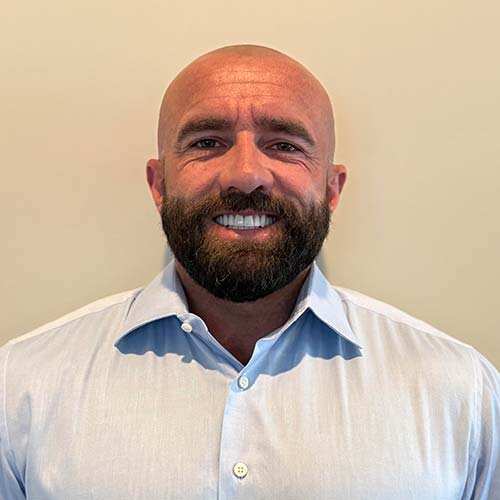
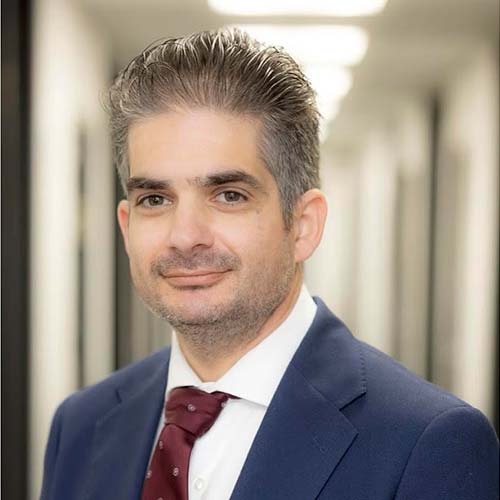
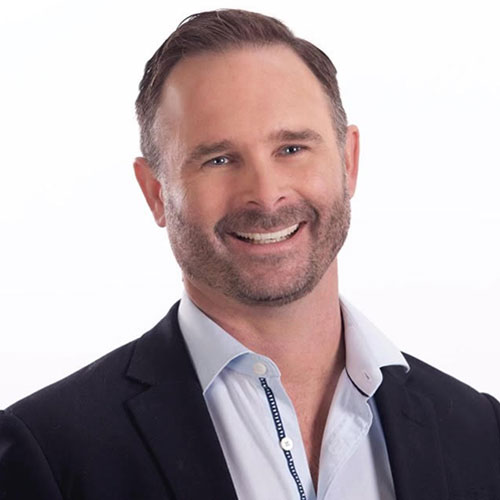
Our Team
-
 Charles Van LeuvenExecutive Director
 -
Chris SharghiProgram Director
-
Dr. Christian SmallMedical Director
When To Choose Inpatient Over Outpatient Rehab
Choosing inpatient or outpatient rehab depends on addiction severity, medical safety, and home stability. Inpatient care suits people with severe or long-term substance use, those using daily, or dependent on alcohol, benzodiazepines, or opioids that cause unsafe withdrawal. It provides 24-hour supervision, medical detox, and therapy, creating a safe setting for early recovery. People who have relapsed after outpatient programs or live in unstable homes also benefit from inpatient treatment, where focus stays fully on healing.
Inpatient rehab also supports patients with co-occurring mental health disorders such as depression, bipolar disorder, or PTSD. Treating both conditions together ensures medication support, consistent therapy, and emotional stability. The structured setting rebuilds daily discipline, teaches coping strategies, and helps reduce relapse risk.
Outpatient rehab works for milder addiction when home life is supportive and medical risk is low. Many patients begin with inpatient treatment, then step down to outpatient care for continued therapy and relapse prevention. At Sacramento Wellness, each person receives an assessment to match treatment level to their needs. Starting inpatient first provides a strong, stable base for long-term recovery.
Frequently Asked Questions
How long does inpatient rehab last?
Most inpatient rehab programs run between 30 and 90 days. The exact length depends on your progress, substance history, and overall health. A 30-day stay is common for detox and initial therapy, while 60- or 90-day programs offer extended time to build habits and address deeper issues. Research shows longer programs often lead to stronger recovery results.
Does insurance cover inpatient addiction treatment?
Yes. Most health insurance plans including private policies, Medicaid, and Medicare cover inpatient addiction treatment under parity rules and the Affordable Care Act. Coverage varies: some plans pay the first 14–30 days in full, others use copays, deductibles, or coinsurance after a set period. Benefits depend on your insurer, plan type, network status, and any prior authorization. Sacramento Wellness can verify your benefits with your insurer and provide a cost estimate before admission.
Can family visit me during inpatient rehab?
Yes. Family can visit during set visiting hours once you are stable after detox. We schedule visits with approved visitors on specific days, including weekend visiting and family days with education or family therapy. At Sacramento Wellness, we review visiting hours, privacy rules, and any short-term limits during admission.
What happens in inpatient drug rehab?
You live on site full time and receive 24-hour medical care. Staff start with medical detox under supervision to manage withdrawal. Each day includes individual therapy, group counseling, CBT, education, wellness activities, and relapse-prevention work on a set schedule. You follow structured meals, sleep, and medication management as needed. The team reviews progress and updates your treatment plan, then prepares a step-down to outpatient care and aftercare support.
How is inpatient rehab different from residential treatment?
Both provide 24-hour care, but inpatient rehab is more medical and structured, focusing on detox and stabilization under clinical supervision. Residential treatment follows once patients are stable, offering continued therapy in a less clinical, homelike setting to build long-term recovery skills.
What types of therapy are used in inpatient rehab?
Inpatient rehab uses evidence-based therapies such as Cognitive Behavioral Therapy (CBT), Dialectical Behavior Therapy (DBT), motivational counseling, and trauma-informed therapy. Patients also join group sessions, family therapy, and relapse-prevention workshops to strengthen emotional health and coping skills.
What should I bring with me to inpatient rehab?
Bring comfortable clothing, personal hygiene items, insurance details, and prescribed medications in original containers. Avoid valuables, electronics, or outside substances. Our team provides a full packing guide during admission to ensure you have what’s needed for a safe and comfortable stay.
What happens if I relapse after leaving inpatient rehab?
Relapse can occur, and it doesn’t mean failure. Contact your counselor or Sacramento Wellness right away. We help you reassess your recovery plan, adjust therapy or medications, and, if needed, resume inpatient or outpatient care to stabilize progress and prevent further use.
How do I know if I need detox before starting rehab?
You may need medical detox if you use alcohol, opioids, or benzodiazepines regularly or experience withdrawal symptoms such as shaking, nausea, or anxiety when you stop. Our clinical team assesses your substance use and health history to determine if detox is required before beginning treatment.
Take the First Step Toward Healing Today

Start your recovery journey with compassionate care at Sacramento Wellness. Reach out now for safe, professional support and begin building a healthier, stronger future today.
