

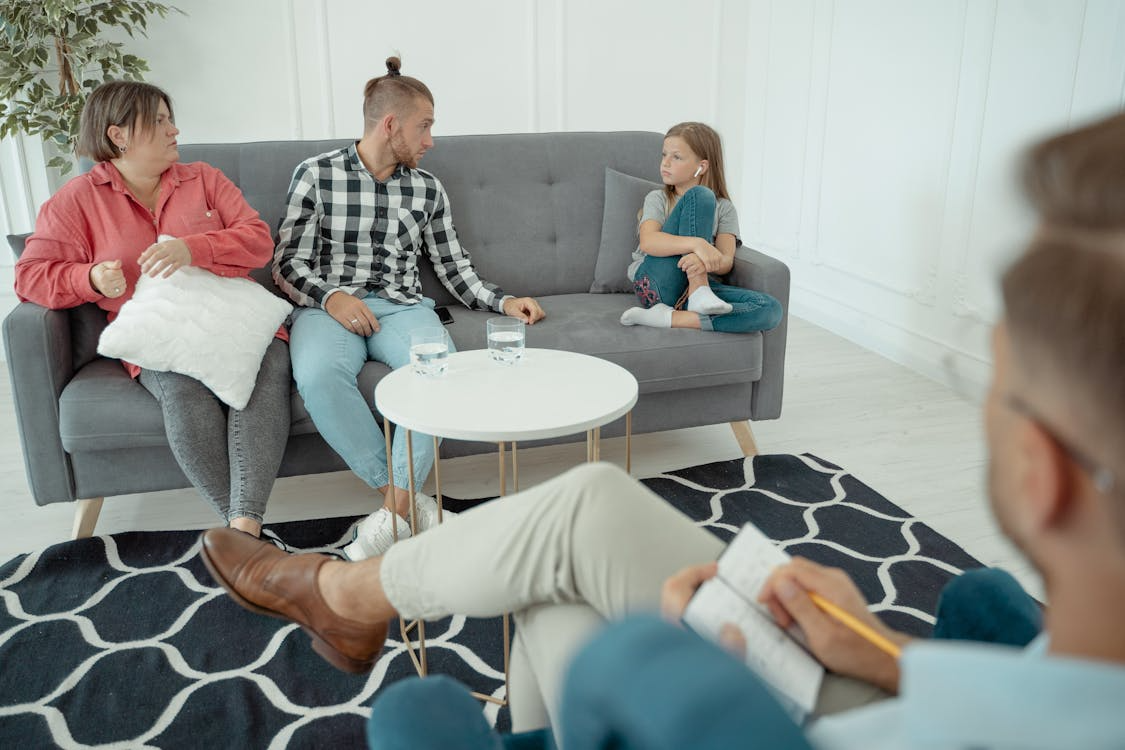
Addiction never happens in a vacuum. It affects the person using, the people they love, and the systems they live in. That is why bringing family members into treatment is not a courtesy. It is a clinical strategy. At Sacramento Wellness, family work is woven into the continuum of care so loved ones understand what recovery asks of everyone, not only the person in treatment. The result is better communication at home, faster repair of trust, and a stronger safety net when stress or cravings appear.
Why family sessions change outcomes
When families learn what addiction is and how recovery works, the home environment becomes less reactive and more predictable. Guided sessions give space to speak honestly about fear, frustration, and boundaries, with a clinician translating good intentions into useful behaviors. Sacramento Wellness explicitly offers family counseling sessions and workshops that educate loved ones, build skills, and create a shared plan for what happens during and after treatment. That education is not abstract. It targets communication patterns, roles, and routines that either support sobriety or destabilize it. Sacramento Wellness frames this as a relationship repair process that helps families move from crisis management to consistent support.
What you can expect in a family session
Family therapy at Sacramento Wellness is structured and clinical rather than ad hoc. Sessions typically include psychoeducation about addiction and recovery, skill building for conflict and boundary setting, and time to rehearse conversations that tend to spiral at home. The aim is not to decide who is right. The aim is to agree on how the family will work together when triggers show up. The team’s resources describe this as creating space for open communication that “rebuilds trust and understanding between family members,” which is the practical foundation for long-term change.
Where family therapy fits in the care pathway
Family involvement does not begin at the end. It threads through detox, residential or inpatient treatment, and into step-down care. During inpatient treatment, the clinical team provides round-the-clock support and integrates dual diagnosis care when mental health conditions are present, while also planning the handoff to aftercare with the family in mind. That continuity means the same communication skills and boundaries introduced in treatment are carried forward once schedules loosen.
As clients transition into Partial Hospitalization (PHP) or Intensive Outpatient (IOP), families remain part of the rhythm. PHP keeps near-daily structure with medical and therapeutic oversight, while IOP offers several sessions per week that balance therapy with work or school. In both tracks, families can align on practical routines like medication management, appointment schedules, sleep hygiene, transportation, and sober activities. The structure reduces friction during re-entry and helps everyone know what “a good week” looks like.
Communication skills that make the difference at home
Family therapy translates good intentions into specific, repeatable behaviors. Three themes tend to move the needle.
First, clarity. Families learn to swap vague promises for concrete commitments. “I will be home earlier” becomes “I will be home by 9 pm, and if I am running late I will text.” Second, feedback. Instead of arguing about motives, relatives practice describing observable behavior and impact. “When you miss your therapy appointment, I worry we are sliding backward. Can we look at what got in the way and fix it for next week” Third, recovery language. Loved ones learn to name high-risk situations without shaming. “The grief after that phone call is a trigger. Let’s put a plan in place for tonight.” This is the communication culture that supports progress in residential care and sustains it when schedules become less supervised.
Rebuilding trust with structure, not speeches
Trust rarely returns because of one apology or one great session. It returns because the family can predict what happens next. Sacramento Wellness’s family work emphasizes routines that prove reliability over time. That might include a medication and appointment calendar everyone can see, a budget and dignity-preserving allowance plan agreed in advance, or a Sunday evening check-in that reviews the week’s wins and challenges. The point is not surveillance. The point is shared visibility so the system can adjust early rather than react late. Program content on the site frames family therapy as a way to lay the groundwork for healthier relationships at home, which is exactly what structure delivers.
When mental health is part of the picture
Co-occurring conditions like anxiety, depression, or trauma often sit alongside substance use. In those cases, family therapy helps loved ones understand symptoms, reduce unhelpful accommodation, and support treatment plans without becoming the therapist at home. Sacramento Wellness integrates dual diagnosis care within inpatient treatment and across the wider program suite, so psychiatric and therapeutic plans can be explained to families in plain language. Everyone learns how to respond to flare-ups without derailing recovery routines.
Preparing for discharge together
Discharge planning is far more effective when families are in the room. Sacramento Wellness’s approach pairs relapse-prevention planning with family education and next-step coordination. That might include scheduling the first PHP or IOP session, setting up transportation and child-care solutions, and clarifying who to call if a crisis arises on a weekend. Families also hear how alumni support and community resources can keep momentum in the months ahead. The emphasis is on having a written plan, dates on the calendar, and aligned expectations for the first thirty days at home.
The takeaway for loved ones
Your presence matters. When you learn the language of recovery, practice clear communication, and help design routines that fit real life, you multiply the impact of every therapy hour your loved one attends. Sacramento Wellness positions family therapy as a core feature of care, not an optional add-on. If you have felt shut out or unsure what to do next, there is a guided path that turns concern into practical support.
Start Healing as a Family Today
Check our website Sacramento Wellness. Begin with a family-informed treatment plan and ask to schedule family counseling sessions or workshops alongside care. Verify insurance and align on the first PHP or IOP dates so structure continues at home from day one. Build communication, rebuild trust, and keep recovery moving in the same direction.