

At Sacramento Wellness, we provide focused and compassionate alcohol addiction treatment in Sacramento for people ready to overcome harmful drinking. Our rehab center offers a safe and private space where recovery begins with trust, care, and medical guidance.
Each personalized plan includes supervised detox, therapy, and family counselling around your needs. With help from experienced doctors and therapists, you can heal fully, regain confidence, and live a healthy, alcohol-free life.
Alcohol Addiction Treatment Center Sacramento
At our alcohol addiction treatment center in Sacramento, CA, care begins with careful observation and complete respect for each patient’s safety. The first assessment includes a health check, emotional review, and personal goal setting by our medical team. Doctors, nurses, and counselors work together to understand how alcohol use has affected your body, mood, and daily life before starting treatment.
Recovery begins with medical detox in a calm, clinical setting under continuous withdrawal management. Patients rest under medical supervision while comfort medicines, fluids, and nutrition help the body recover.
Therapy begins once the body is stable. Each person joins individual counselling and behavioral therapy sessions such as CBT and motivational interviewing. People who struggle with anxiety or depression receive dual diagnosis treatment, so mental health and addiction are healed together.
Long-term healing continues through structured relapse prevention plans and ongoing aftercare support. Regular follow-ups, peer meetings, and lifestyle counselling help people maintain sobriety after treatment.

What is Alcohol Addiction?

Alcohol addiction also known as alcoholism, is a medical condition where a person loses control over drinking. Doctors call it alcohol use disorder (AUD). It develops when alcohol changes brain signals that control mood and self-control, leading to cravings and repeated drinking.
The main signs include loss of control, tolerance and withdrawal, and continued use despite harm to health, work, or family. People may feel shaky, anxious, or sick when they stop drinking. Some drink daily, while others show binge drinking or heavy drinking patterns that return after short sober periods.
Doctors measure the problem as mild, moderate, or severe. They confirm it through DSM 5 criteria, screening tools such as AUDIT or CAGE, and clinical interviews. Early diagnosis allows treatment through counselling, medical detox, and ongoing recovery care.
What are the Causes of Alcohol Addiction?
Alcohol addiction causes include biology, psychology, and daily life. Repeated drinking changes brain chemistry, which weakens control and builds craving. Over time, tolerance grows and stopping feels hard.
- Genetics and brain chemistry changes raise risk for alcohol use disorder AUD
- Alcohol shifts dopamine, GABA, and glutamate, which drives craving and dependence
- Family history of alcohol use increases risk
Psychological and Emotional Factors
- Childhood trauma and stress push some people to drink to numb pain
- Poor coping skills and loneliness make alcohol a quick relief
- Co occurring mental health issues like depression, anxiety, bipolar disorder, PTSD, or ADHD increase risk
Behavioral and Social Factors
- Early alcohol use before 15 sharply increases later addiction risk
- Heavy drinking and binge drinking patterns speed dependence
- Peer pressure, easy access, and social norms keep drinking going
What Are the Signs of Alcohol Addiction?
Signs of alcohol addiction show how drinking starts to control daily life. Doctors check these signs to see if the condition is mild, moderate, or severe. Each person may show different patterns based on the frequency and amount of alcohol use.

Common Signs and Behaviors
- Loss of control over drinking
- Unsuccessful efforts to reduce drinking
- Strong craving for alcohol
- Drinking more or longer than planned
- Spending time getting or using alcohol
- Problems at work or home due to drinking
- Risky alcohol use such as drinking before driving
- Tolerance and withdrawal symptoms
- Drinking early in the day to relieve withdrawal
Periods of intoxication or withdrawal may cause tiredness, poor sleep, or sudden mood changes. Some people have blackouts or memory gaps after heavy drinking.
When these signs of alcohol addiction appear, early medical evaluation helps plan medical detox, counseling, and ongoing recovery care before the condition worsens.
How Alcohol Addiction Affects Mind and Body?
Alcohol addiction affects both the brain and major organs. Repeated drinking causes brain chemistry changes, weakens memory and focus, and harms the liver, heart, and nerves. The longer someone drinks, the more their body and mind are affected.
Effects of Alcohol Addiction on the Mind
Alcohol disrupts brain signals that control mood, sleep, and behavior. Over time, this chemical imbalance leads to dependence, tolerance and withdrawal, and emotional instability.
Common mental effects include:
- Memory and focus problems
- Mood swings and anxiety
- Irritability and trouble sleeping
- Blackouts after heavy drinking
- Risk of depression or panic
Many of these problems improve with therapy and medical detox, though recovery takes time and follow-up care.
Effects of Alcohol Addiction on Major Body Systems
Regular drinking harms several organs and affects normal body function.
Physical effects include:
- Liver disease risk from fatty liver to cirrhosis
- Heart and blood pressure strain leading to cardiomyopathy
- Kidney strain and dehydration affecting body balance
- Stomach and pancreas irritation causing pancreatitis
- Neuropathy with nerve pain or tingling
- Nutrient deficiency and thiamine loss harming brain and nerves
- Weaker immune response increasing illness risk
Many of these conditions improve with medical care, balanced food, and rest once alcohol use stops.
Our Alcohol Addiction Treatment Approach
Medical Evaluation and Individual Treatment Plan
Each person starts with a full medical evaluation by doctors and nurses who review health history, drinking patterns, and basic tests. Using this assessment, the team builds an individual treatment plan that sets goals, tracks progress, and assigns the right level of care from day one.
Safe Medical Detox and Stabilization
The next stage is medical detox, where staff monitor vital signs and comfort levels around the clock. Withdrawal care includes CIWA monitoring, hydration, nutrition, and mild medicines that stabilize the body. This stage lowers risk during withdrawal management and prepares patients for therapy.
Personalized Counseling and Behavioral Therapy
Once stable, recovery moves into individual counseling led by licensed therapists. Sessions use behavioral therapy methods such as CBT and motivational interviewing to uncover triggers, reshape thoughts, and practice coping strategies. Each session turns insight into habits that support long-term recovery.
Family Therapy and Emotional Support
Healing strengthens when family joins the process. Guided family therapy sessions teach better communication, boundary setting, and problem solving. These meetings build emotional support at home so recovery continues beyond the clinic with trust and shared understanding.
Dual Diagnosis and Mental Health Treatment
Many clients face depression, anxiety, or trauma along with alcohol use. Our dual diagnosis program offers integrated therapy and medical review at the same time. Coordinated mental health treatment helps the mind heal with the body, and relapse risk is reduced.
Group Therapy and Peer Support
Community support reinforces progress. In facilitator-led group therapy sessions, peers share experiences, exchange feedback, and practice healthy behaviors. Active peer support builds accountability, confidence, and motivation to stay engaged in recovery.
Relapse Prevention and Skill Building
Each participant develops a written relapse prevention plan with their counselor. They learn to spot warning signs, apply relaxation and craving control tools, and set steady daily routines. This phase focuses on planning, stress care, and skill building for independent living.
Aftercare and Long-Term Support
Recovery continues through structured aftercare with follow-up counseling, phone check-ins, and community programs. Clients join long term support options such as peer groups or sober housing. Ongoing
Addiction Rehab Facility Tour




Medical Detox and Safe Withdrawal Care
Medical detox is the first stage of recovery where alcohol is medically managed and removed from the system under continuous supervision. Doctors track heart rate, blood pressure, and other vital signs using CIWA monitoring, while nurses provide 24-hour care to ensure comfort and safety.
During withdrawal management, medicines such as benzodiazepines are prescribed under physician direction to reduce shaking, anxiety, or seizure risk. Balanced fluids, electrolytes, nutrition, and thiamine supplementation help restore body strength and protect brain function. Staff monitor for delirium tremens and maintain patient stability during the acute phase of withdrawal.
After stabilization, focus shifts to rest, hydration, and mental clarity. This phase marks the step down to therapy, with a medical team handoff to counselors who guide behavioral and psychological care for continued recovery.
Therapy and Counselling for Recovery
Therapy and counselling help rebuild thought patterns and strengthen daily coping skills. Each session builds awareness, emotional control, and progress that supports long-term recovery. With practice, new habits form and confidence in self-management grows.
Individual Therapy for Personal Healing
In individual therapy, a licensed therapist works one-to-one with each patient to examine emotions and habits linked to drinking. Every meeting sets a specific goal and includes short exercises that reinforce progress between sessions.
Cognitive Behavioral Therapy CBT
Through cognitive behavioral therapy CBT, patients learn how thinking affects actions. Guided exercises and thought records train healthier responses to stress, reducing the urge to drink and improving emotional balance.
Motivational Interviewing and Goal Setting
Motivational interviewing strengthens the inner drive for recovery. Counselors help identify personal reasons for change and build small, realistic goals that maintain engagement throughout treatment.
Group Counselling and Peer Support
Group counselling offers a supportive setting where patients share experiences under a trained facilitator. Structured peer support develops communication, accountability, and social confidence that continue after program completion.
Family Counselling and Relationship Support
During family counselling, relatives join guided sessions to understand addiction and repair communication. Each meeting improves cooperation and creates a home environment that supports recovery progress.
Emotional Balance and Relapse Prevention
Therapists teach relapse prevention methods that manage cravings and stress safely. Techniques such as mindfulness, urge control, and daily routines help maintain emotional stability and long-term sobriety.


Testimonials
Recovery Stories from Our Clients
Dual Diagnosis and Mental Health Support
Dual diagnosis is the combined treatment of alcohol addiction and mental health conditions like depression, anxiety, PTSD, or bipolar disorder. Each patient receives a full psychiatric evaluation, structured symptom screening, and coordinated mental health support that supports safety and emotional comfort during care.
Our team provides integrated care through a collaborative approach where therapists and psychiatrists coordinate within a single treatment plan. Medication management includes reviewing side effects, tracking mood and sleep, and adjusting doses to support stability during recovery.
This coordinated care improves focus, emotional control, and daily functioning. Regular follow ups, coping strategies, and family counseling sessions reinforce progress. Ongoing practice and education reduce relapse risk and strengthen long term recovery.
Treatment Options for Alcohol Addiction
Our treatment options for alcohol addiction match each patient’s medical needs and recovery goals. After an initial assessment, the care team assigns the level of treatment that supports safety and steady progress. Both inpatient and outpatient programs operate under licensed doctors, therapists, and case managers.
Inpatient Alcohol Addiction Treatment
This level provides 24-hour supervision within a residential setting. Patients receive medical detox under physician direction with round-the-clock monitoring, medication review, and structured therapy sessions.
The schedule includes individual counseling, group therapy, and family education. Balanced meals, rest, and planned activities restore health before transfer to outpatient care.
Inpatient Alcohol Addiction Treatment
This level provides 24-hour supervision within a residential setting. Patients receive medical detox under physician direction with round-the-clock monitoring, medication review, and structured therapy sessions.
The schedule includes individual counseling, group therapy, and family education. Balanced meals, rest, and planned activities restore health before transfer to outpatient care.
What Makes Our Alcohol Addiction Treatment Different?
Our alcohol addiction treatment combines medical accuracy with personalized care. Each stage is designed for safety, emotional recovery, and lifelong change through structured teamwork between doctors, nurses, and counselors.
Personalized Treatment Plans for Every Patient
Each patient begins with a full review of medical history, alcohol use, and mental health. A personalized treatment plan sets measurable goals that guide detox, therapy, and recovery steps. Weekly reviews keep progress visible and care matched to current needs.
Medical Supervision and Safe Detox Care
Detox is managed under full medical supervision to prevent complications and ensure comfort. Nurses monitor safe detox care through vitals, hydration, and nutrition while physicians adjust medications as needed. Stabilization is documented before patients move into therapy.
Evidence Based Therapies and Counseling
Licensed therapists use evidence based therapies and structured counseling to build coping tools. CBT and motivational interviewing help patients identify triggers, reframe thoughts, and apply new behaviors both inside and outside the clinic.
Family Participation and Support Programs
Active family participation improves recovery strength. Guided support programs teach communication skills, boundary setting, and relapse warning signs. Families leave with a written home plan that supports safety and long-term stability.
What to Expect When You Begin Treatment
We start treatment in an organized, supportive way. On arrival, staff complete your intake assessment and begin a short medical evaluation to review health, alcohol use, and comfort. This first step sets a safe plan for detox, counseling, and recovery work.

During the first day you will:
- Complete registration forms and consent for treatment
- Meet a nurse for intake assessment and vitals
- Undergo medical evaluation with labs and screenings
- Receive detox orientation and CIWA monitoring guidance
- Settle into your room and rest area
- Have medication review and allergy and safety checks
- Get your personal therapy schedule and counselor assignment
- Attend a brief group introduction with program guidelines
- Arrange family contact updates and preferred call times
- Join safety checks and evening wellness review
- Begin aftercare planning and long term recovery goals
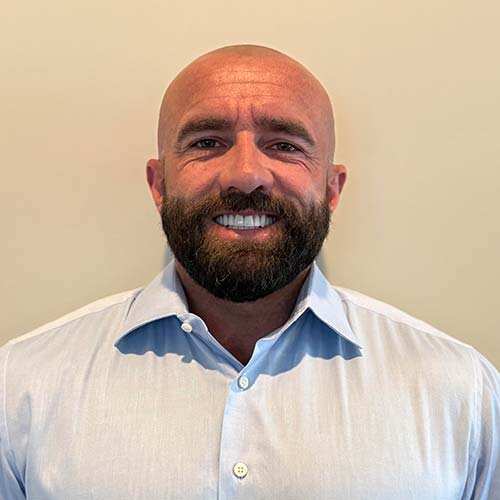
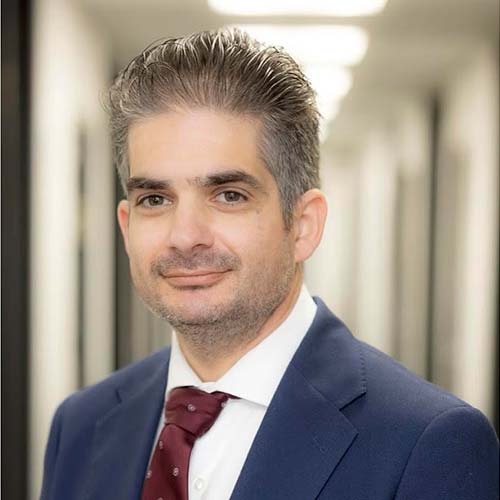
Our Team
-
 Charles Van LeuvenExecutive Director
 -
Chris SharghiProgram Director
-
Dr. Christian SmallMedical Director

Life After Treatment and Ongoing Support
Recovery continues with structured aftercare support that maintains progress. Patients receive an individualized relapse prevention plan, routine therapy check ins, and peer support meetings for accountability. A case manager oversees medication management, sleep, nutrition, and exercise goals. The care team tracks progress with symptom logs and coping tools that fit daily routines.
Sober living options provide safe housing during early recovery. Family education sessions strengthen communication and reduce stress. Telehealth follow ups keep counseling available for work or school schedules. A crisis plan lists warning signs, coping steps, and contacts. This continued support protects long term recovery.
Why Choose Sacramento Rehab for Alcohol Treatment?
At Sacramento Wellness, patients receive comprehensive alcohol treatment in Sacramento from licensed doctors, nurses, and therapists. Safety, privacy, and 24-hour monitoring are maintained from intake through stabilization to protect health and comfort.
Each patient receives a personalized treatment plan built from medical evaluation, detox needs, and recovery goals. Care includes monitored medical detox, medication management, and structured evidence based therapy such as CBT and motivational counseling for behavioral improvement.
Specialized dual diagnosis care treats depression, anxiety and trauma alongside addiction. Psychiatrists coordinate medication, therapy, and progress reviews to help both conditions improve together.
Long-term recovery continues through structured aftercare support with follow-up counseling, peer meetings, and telehealth check-ins. Ongoing care maintains recovery progress and reduces relapse risk after treatment.
Frequently Asked Questions
How long does alcohol rehab take?
The length of alcohol rehab depends on individual needs and treatment level. Medical detox may last several days, while inpatient care often runs 30 to 90 days. Outpatient programs range from a few weeks to several months. The clinical team reviews progress weekly to decide when each person is ready for the next step.
Is medical detox required for every patient?
Medical detox is needed when a person has withdrawal risks such as shaking, sweating, or high blood pressure after stopping alcohol. Patients with mild dependence may begin outpatient treatment directly. A doctor performs an assessment using CIWA monitoring to determine if detox or direct counseling is the safer starting point.
What types of therapy are used in alcohol treatment?
Programs include individual counseling, group therapy, and evidence based therapies like cognitive behavioral therapy (CBT) and motivational interviewing. These methods teach coping skills, relapse prevention, and emotional regulation. Each therapy style supports different recovery goals so patients learn to manage stress, rebuild confidence, and maintain long-term sobriety.
Can family members take part in counseling sessions?
Yes. Family counseling is encouraged because addiction affects relationships and home routines. Sessions focus on communication, boundary setting, and emotional support. Counselors help families understand treatment goals, build trust, and create a stable environment that supports recovery once the patient returns home.
What support is available after I complete the program?
After treatment, patients continue with structured aftercare support such as peer meetings, therapy check-ins, and telehealth follow ups. A written relapse prevention plan and access to a case manager help maintain accountability. These ongoing steps strengthen confidence and protect recovery during daily life.
How private and confidential is alcohol treatment?
All patient information stays protected under HIPAA privacy laws. Only authorized staff involved in care can access records. Sacramento Wellness uses secure systems for notes and telehealth sessions, ensuring that personal and medical details remain confidential at every stage of treatment.
How do I know if I need inpatient or outpatient care?
A clinical assessment decides the best level of care. Inpatient treatment suits those with severe dependence, health risks, or unsafe home conditions. Outpatient care fits people with mild symptoms, stable housing, and family support. Doctors match each patient to the safest and most effective setting for recovery.
What safety measures are in place during detox?
During detox, patients receive 24-hour medical supervision with CIWA checks, vital monitoring, and medication management. Doctors prevent complications like seizures or dehydration. Nurses maintain hydration, nutrition, and comfort while recording progress. Safety protocols are reviewed each shift to ensure a controlled and supportive detox process.
Begin Your Recovery Journey with Expert Care

Our licensed team in Sacramento offers personalized alcohol addiction treatment in a calm, healing environment. Get the medical and emotional support you need to rebuild your confidence and rediscover your strength.
